
In brief
Current as of 2026-10-12.
- Scalp scalers are liquid or gel exfoliants used before shampooing. They are intended to target sebum, styling-product residue, pollution particles and dead skin.
- A head spa is a cosmetic scalp service. Cleansing and massage can remove buildup and oil, feel relaxing, and leave the scalp feeling comfortable.
- A small study found increased hair thickness after daily device-assisted scalp massage, but it did not establish that massage or scalp tools regrow hair.
What the evidence says
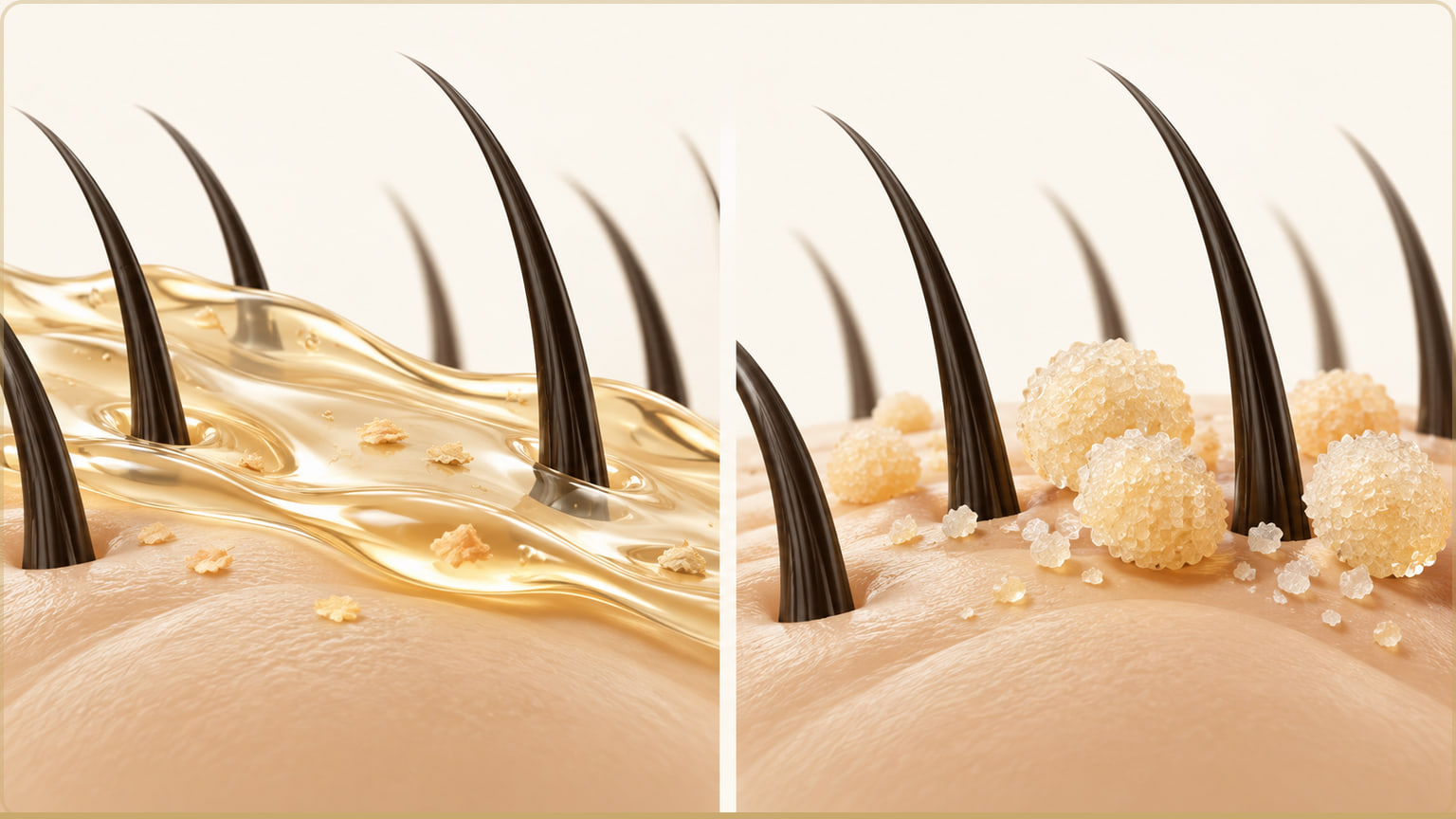
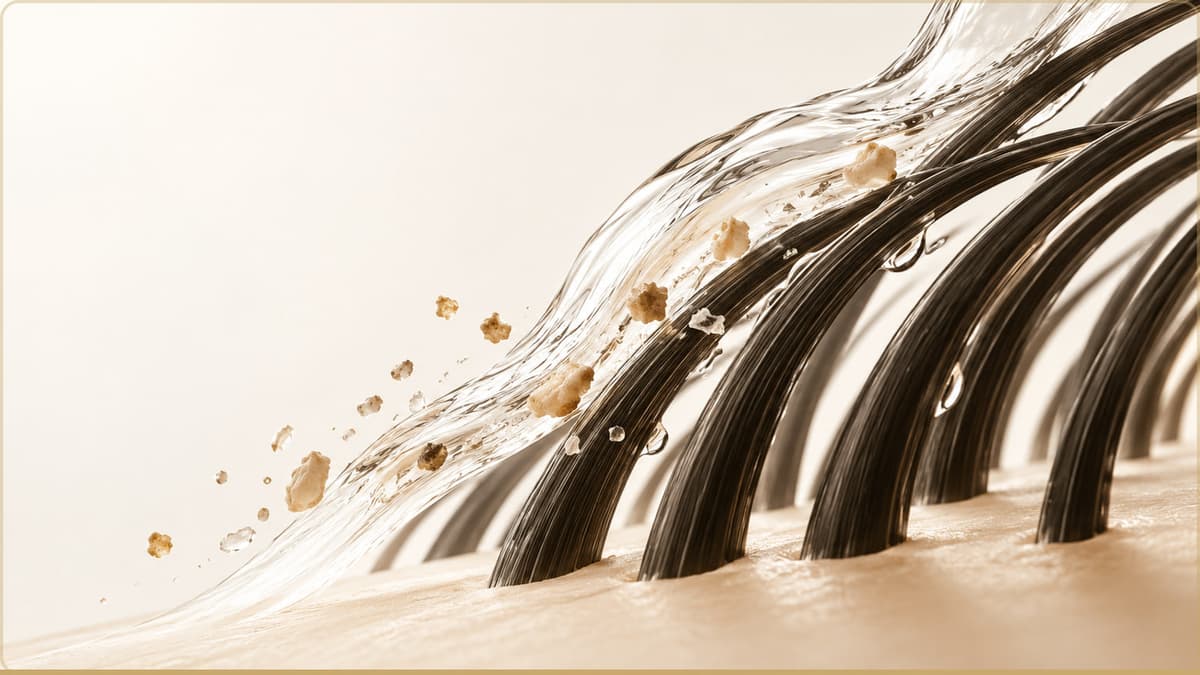
The at-home head spa trend brings together cleansing, scalp exfoliation and massage. Scalp scalers are typically liquids or gels used before shampooing. Their formulas commonly use salt, alpha hydroxy acids (AHAs), beta hydroxy acids (BHAs), or enzymes. They are intended to target buildup from sebum, styling products, pollution particles and dead skin. That describes their cosmetic purpose; it does not establish that they treat a scalp condition or improve hair growth.
The “scalp as skin” approach is part of how scalp scalers are presented. In trade coverage, Skin Cupid founder Melody Yuan describes them as part of that approach and says gentler acid formulas may exfoliate without stripping oil. These are her comments about formulation, not proof that the products improve hair growth or scalp microbiome health. The category’s emphasis on pH and the scalp ecosystem should likewise be understood as product positioning, rather than an established clinical benefit.
Scalp scalers also differ from physical sugar or salt scrubs. The trade coverage describes scalers as using liquid or gel exfoliants, while scrubs exfoliate through physical friction. That distinction helps describe the products, but it does not by itself show that one approach is more effective or safer for every person. The sources do not establish a single formula or routine that suits all scalps.
A head spa is best understood as a cosmetic scalp service. It commonly includes cleansing and massage. Reasonable outcomes include removing product buildup and oil, relaxation, and a scalp that feels comfortable afterward. These are cosmetic and sensory outcomes, rather than evidence of a medical effect. A fresh, comfortable feeling can be a worthwhile result on its own.
Some services show magnified images of the scalp. These may reveal visible oil, flaking or product residue, but they are not a medical examination. A scalp that looks cleaner after the service does not demonstrate that an underlying condition has been fixed. Images can show what is visible at that moment; they do not establish a diagnosis or treatment outcome.
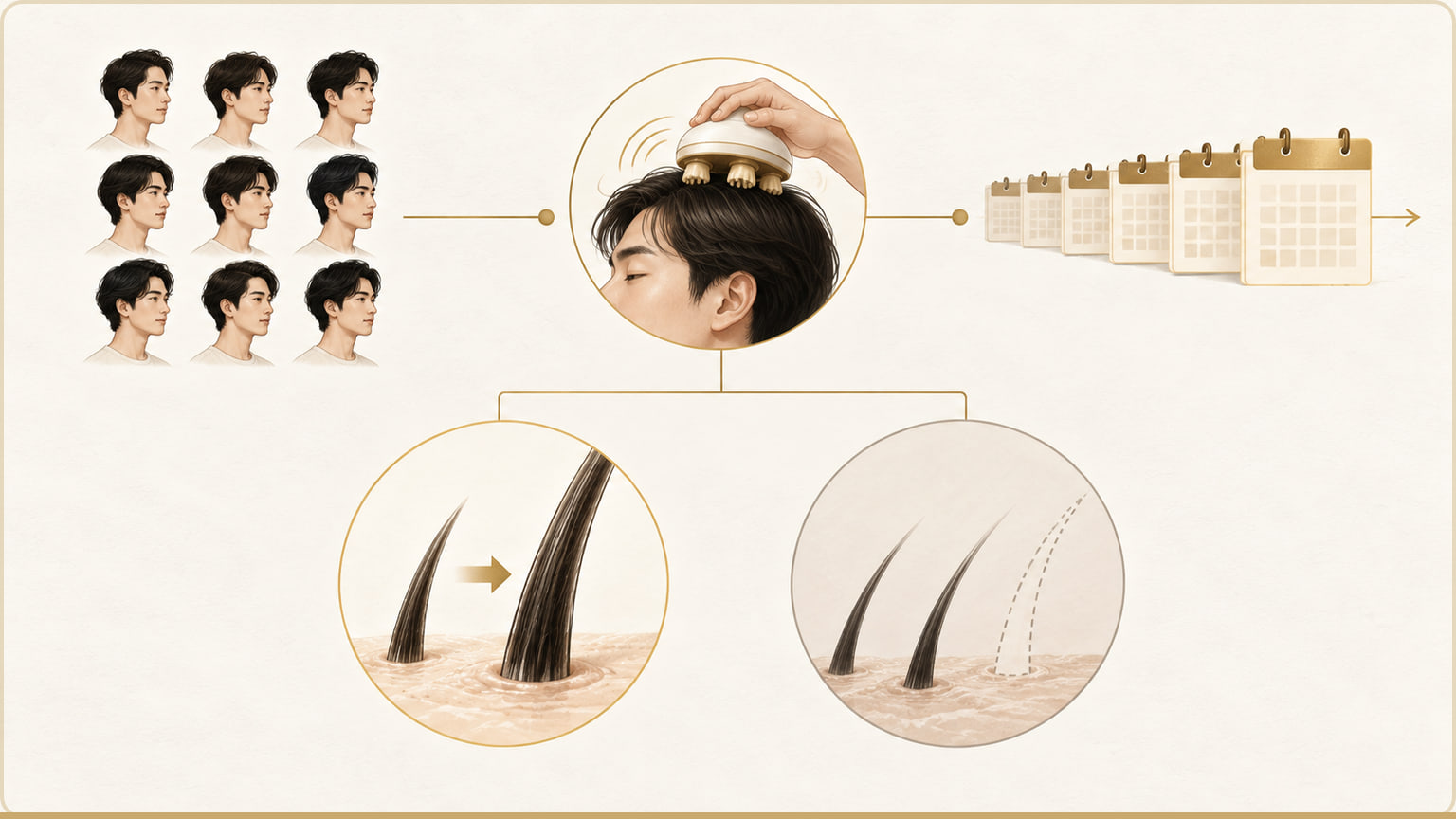
Evidence about massage and hair appearance is limited. A 2016 study tested device-assisted scalp massage in nine healthy Japanese men. Participants used the device for four minutes each day for 24 weeks. The study reported increased hair thickness. The authors noted that the effect of massage on hair growth remained unclear, so the result does not establish that scalp massagers regrow hair. The study’s result applies to the specific daily routine and group studied; it does not show what an occasional massage or an at-home routine will do.
Section sources: K-beauty scalp scalers are moving the Korean head spa into the home; What Is a Head Spa? Benefits, Evidence and Safety Facts; Standardized Scalp Massage Results in Increased Hair Thickness by Inducing Stretching Forces to Dermal Papilla Cells in the Subcutaneous Tissue.
How to use it in a real routine
If you choose a scaler, apply it as directed, then shampoo and rinse. Avoid combining it with vigorous scrubbing. The American Academy of Dermatology’s general skin-exfoliation guidance recommends light pressure and short, gentle strokes with brushes or sponges, followed by a lukewarm rinse. This is general exfoliation advice, not a scalp-specific recommendation or a dosing schedule. The guidance also recommends reducing exfoliation frequency if irritation develops. Follow the individual product’s instructions.
The available guidance does not specify how often to use a scalp scaler. Product directions are therefore important, and more frequent or forceful exfoliation should not be assumed to give better results. If a product or tool irritates your skin, stop and reassess the routine rather than pressing harder or continuing through discomfort.
Choose tools for comfort and ease of cleaning rather than assuming that stronger pressure means better results. A natural-bristle spa brush may suit a gentle body-care step, while the exfoliating spa body brush is also a body tool. These product descriptions do not establish that either brush is suitable for scalp use. For a soothing self-care step separate from scalp exfoliation, the jade roller and gua sha set is designed for face care; it should not be treated as a scalp tool.
Section sources: Dry shampoo: Dermatologists’ tips for getting your best results; How to safely exfoliate at home.
Who should be cautious
Skip exfoliation over open cuts or wounds. The general dermatology guidance recommends light pressure and gentle strokes when exfoliating and advises reducing frequency if irritation develops. It is not scalp-specific dosing advice. If your scalp is already irritated, avoid adding friction or an exfoliant that worsens the discomfort.
Stop using a product if it causes burning or itching. This applies to dry shampoo as well: if your scalp begins to itch or burn while using it, stop using that product. A scalp scaler is not a substitute for regular shampooing and water, which remove oil and buildup, or for medical evaluation when symptoms persist.
Ask a dermatologist or physician before using a head spa if you have sudden or heavy shedding, bald patches, persistent burning or itching, pain, sores, or a diagnosed scalp condition. A cleansing ritual should not delay an assessment of persistent symptoms or unusual hair shedding. A head spa is a cosmetic service, not medical care.
Section sources: How to safely exfoliate at home; What Is a Head Spa? Benefits, Evidence and Safety Facts; Dry shampoo: Dermatologists’ tips for getting your best results.
Lux Aura Care edit: products that fit this routine
For a gentle body-exfoliation step in a wider at-home spa routine, consider the natural-bristle spa brush or the exfoliating spa body brush. These are body-care options; the information provided does not establish that either is suitable for scalp use. Use them for the purpose described by the product and keep pressure light.
For a separate face-care massage ritual, the jade roller and gua sha set or Lux Aura face roller and gua sha set may be suitable. They are not scalp scalers or hair-growth tools. Follow each product’s instructions.
Conclusion
An at-home head spa can be a pleasant way to cleanse away some buildup and make wash day feel more relaxing. Scalp scalers are optional pre-shampoo exfoliants, and massage may feel relaxing; the available evidence does not establish that either regrows hair. Keep expectations cosmetic, use gentle pressure, and treat persistent symptoms or unusual shedding as reasons to seek professional advice rather than exfoliating more.
FAQ
Will a scalp scaler help hair grow?
The supplied sources provide no evidence that scalp scalers regrow hair. Their stated role is pre-shampoo exfoliation targeting sebum, styling-product residue, pollution particles and dead skin. Claims about pH or the scalp ecosystem describe product positioning, not established clinical benefits.
How often should I exfoliate my scalp?
The supplied guidance does not establish a scalp-specific frequency. Follow the product instructions and reduce use if irritation develops. General skin-exfoliation advice recommends light pressure and short, gentle strokes, but it is not scalp-specific dosing advice.
Can a massage brush treat dandruff or scalp disease?
The sources do not establish that massage brushes treat dandruff or a scalp condition. Massage may feel relaxing, but the small study on device-assisted massage does not establish hair regrowth. Ask a dermatologist or physician about persistent symptoms or a diagnosed scalp condition.
Sources
- K-beauty scalp scalers are moving the Korean head spa into the home
- What Is a Head Spa? Benefits, Evidence and Safety Facts
- Standardized Scalp Massage Results in Increased Hair Thickness by Inducing Stretching Forces to Dermal Papilla Cells in the Subcutaneous Tissue
- How to safely exfoliate at home
- Dry shampoo: Dermatologists’ tips for getting your best results
This article was prepared with the support of AI tools and reviewed against the public sources listed above. It is general educational content, not medical advice.