
In brief
Current as of 2026-10-30.
- “Pumpkin” on a label doesn’t tell you which form is used or what the finished product can do.
- Exfoliation depends on the actual exfoliating ingredients and formula; moisturizing ingredients may help skin feel more comfortable.
- Introduce exfoliating products cautiously, follow their directions, and use sun protection if they contain alpha hydroxy acids.
What the evidence says
Pumpkin skincare is a broad label, not a single type of formula. Pumpkin seed oil, seed powder and fruit-derived enzymes are different forms, so evidence about one ingredient or product should not be taken as proof that every pumpkin product exfoliates or hydrates. The supplied sources support explaining how certain exfoliating ingredients work, but they don’t establish that pumpkin itself delivers those effects across products.
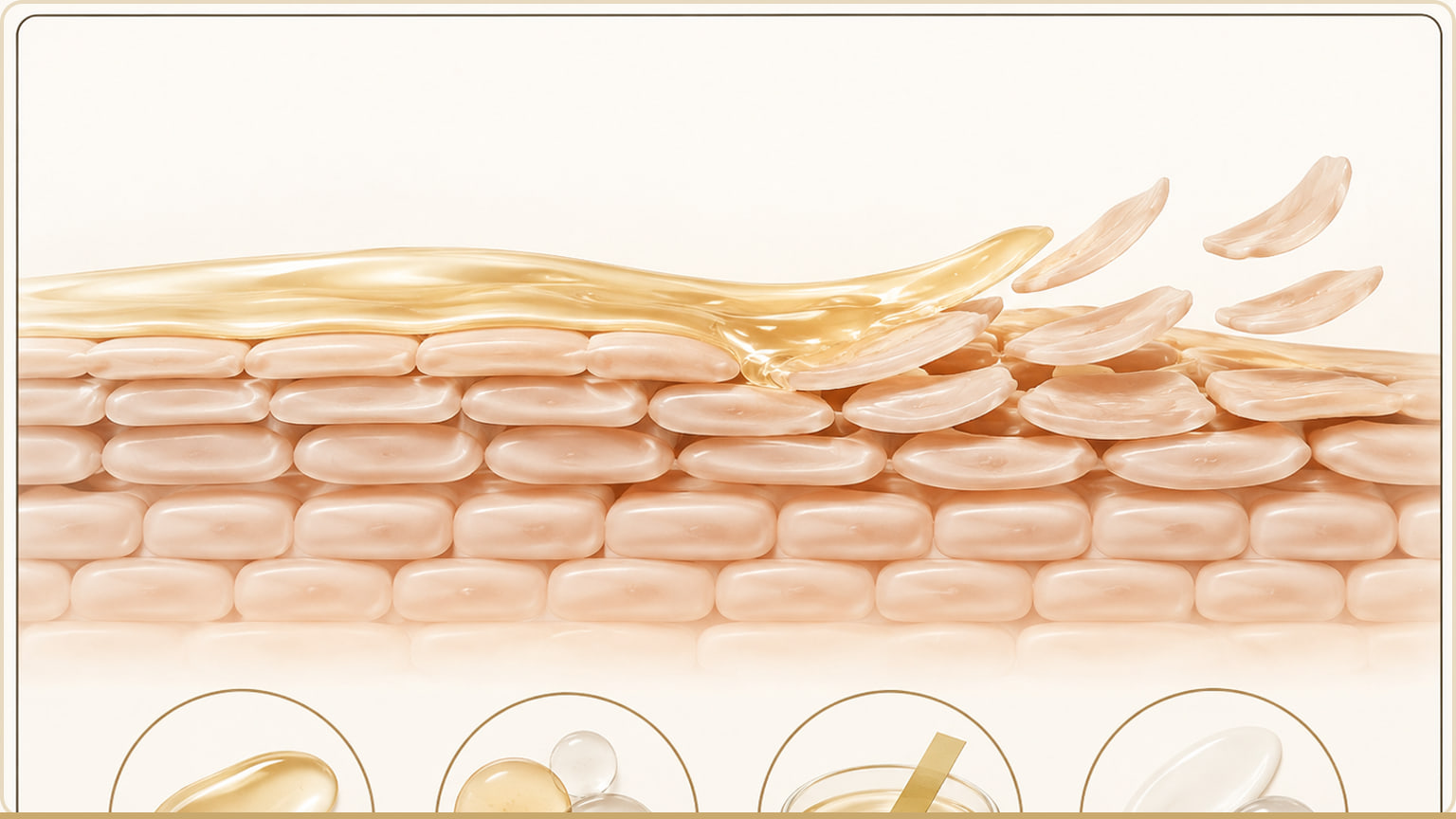
Alpha hydroxy acids (AHAs) can loosen the bonds between surface skin cells, encouraging old cells to shed. This may improve the appearance of skin texture and color; it’s a cosmetic effect, not a guarantee of a particular result. How much exfoliation an AHA product provides depends on the type and concentration of acid, the product’s pH and its other ingredients. DermNet’s overview of alpha hydroxy acid facial treatments and the FDA’s explanation of alpha hydroxy acids in cosmetics describe these limits.
A recent review of an exfoliating product described a formula combining papain, protease and subtilisin with lactic acid. The article explains that enzymes and acids exfoliate through different mechanisms. It also describes moisturizing ingredients in that specific formula, including glycerin and betaine to help retain water, and shea butter and fatty alcohols to soften skin and help limit moisture loss. That example shows why the full ingredient list matters; it doesn’t establish that all pumpkin enzymes or pumpkin products behave the same way. Allure’s review of Elemis Dynamic Resurfacing Facial Pads.
How to use it in a real routine
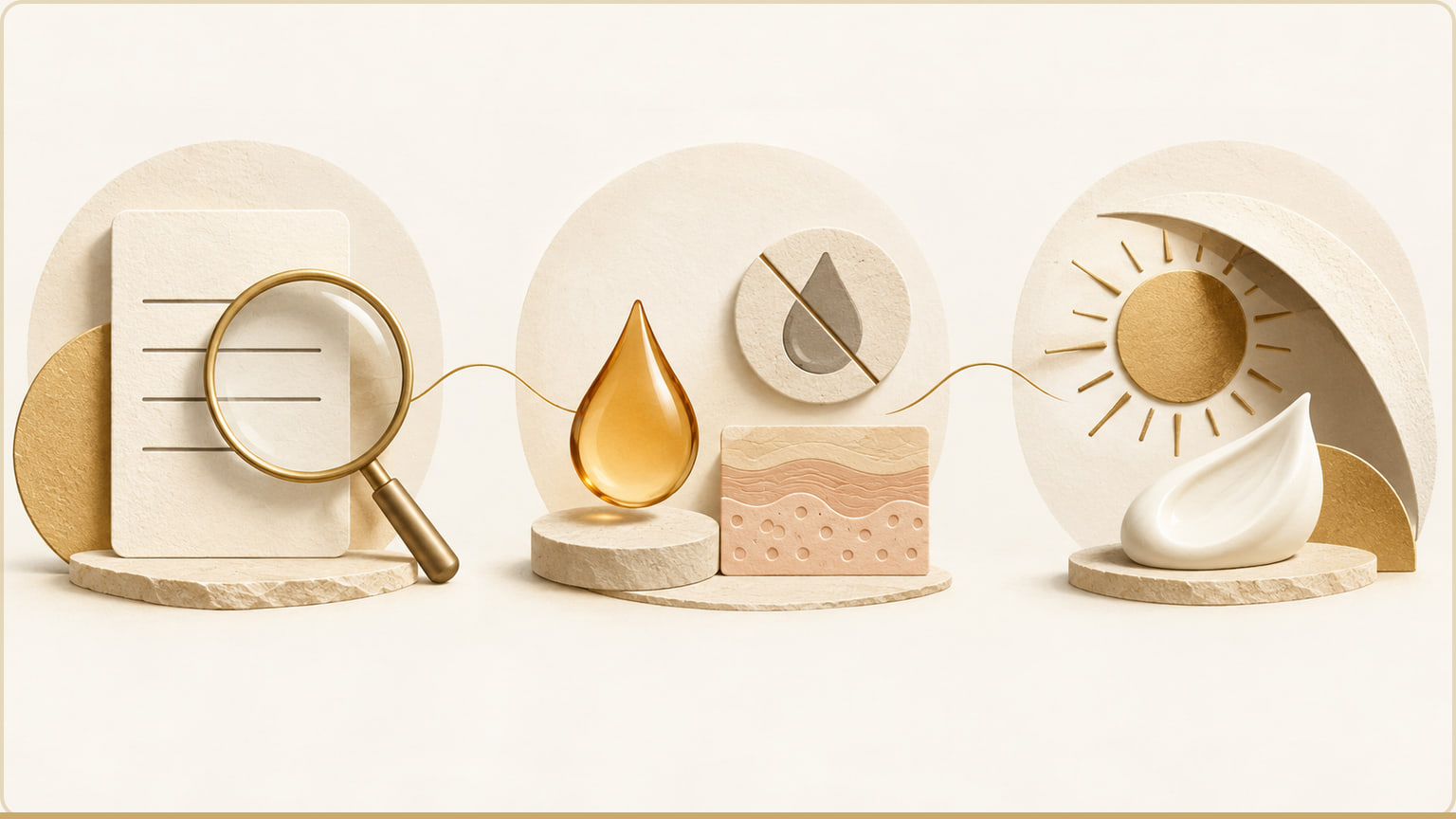
Start by checking the ingredient list and directions rather than relying on seasonal wording or the word “pumpkin.” Look for exfoliating agents, if any, and moisturizing ingredients that may make the formula more comfortable to use. The product’s directions matter too: they provide a practical starting point for how to apply it.
If the product exfoliates, introduce it gradually and pay attention to how your skin responds. Avoid layering it with other exfoliating products at first. If your routine already includes a retinoid, take extra care when combining it with exfoliants; the Allure review describes dryness and irritation as possible concerns with enzyme-and-acid exfoliation, particularly alongside retinoids or other exfoliants. Follow each product’s instructions and patch-test a new product on a small area when appropriate.
If you want a simple moisturizing step alongside an exfoliant, a Centella Collagen Sleep Mask or Seaweed Collagen Crystal Mask may work as a mask option. Their names alone don’t establish their ingredients or effects, so check the product details and directions before use. For a basic cleanse-and-moisturize routine, a body wash for dry, sensitive or acne-prone skin offers related guidance.
For products containing AHAs, sun protection deserves a place in your routine. The FDA says these products may increase sun sensitivity while in use and for up to a week after you stop using them; it advises sun protection and following product directions. FDA guidance on alpha hydroxy acids.
Who should be cautious
People with easily irritated skin may want to be particularly selective. DermNet lists AHAs, fragrances and cosmetics as potential irritants, and notes that irritation can build through cumulative exposure to several mild irritants. Friction from excessive exfoliation can also contribute. If a product causes persistent discomfort or visible irritation, stop using it and consider asking a qualified professional for advice. DermNet guidance on sensitive skin.
Take extra care when using an exfoliant alongside a retinoid or another exfoliating product. The Allure review advises starting less often and gauging skin tolerance with formulas that combine enzymes and an AHA. It reviews one product, so it doesn’t establish a universal schedule; follow the directions for the specific product you have.
Lux Aura Care edit: products that fit this routine
For a pumpkin-themed product, assess the formula and directions before deciding whether it suits your routine. The supplied product catalog doesn’t list a pumpkin exfoliant, so these options are relevant as routine companions rather than pumpkin substitutes.
- If you want a mask step, consider the Centella Collagen Sleep Mask. Check its product details and follow its instructions; the product name alone doesn’t confirm its ingredients or performance.
- The Seaweed Collagen Crystal Mask is another mask option to compare if you’re looking for a non-exfoliating step. Use the product information to decide whether it suits your preferences.
- If dryness or irritation is already a concern, read Dry, Itchy Skin: Cleansers, Moisturizers and When to Get Help before adding an exfoliant. Keep your routine simple and add new products one at a time.
Whatever you choose, follow each product’s directions and patch-test where appropriate. A product’s seasonal theme is less useful when choosing than its actual formula and how your skin tolerates it.
- Consider the Seaweed Collagen Crystal Hydration Mask when the routine involves hydration masks, hydrogel texture or at-home spa care. Check the product instructions and introduce one change at a time.
- Consider the Centella Collagen Sleep Masks when the routine involves overnight hydration, centella or evening skincare. Check the product instructions and introduce one change at a time.
- Consider the Exfoliating Spa Body Brush when the routine involves shower exfoliation and hard-to-reach body care. Check the product instructions and introduce one change at a time.
- Consider the Resin Body Gua Sha Lymph Tool when the routine involves body massage, body-care routines or massage technique. Check the product instructions and introduce one change at a time.
Conclusion
Pumpkin is a seasonal cue, not a reliable description of an exfoliating or moisturizing effect. Check the formula, introduce exfoliants cautiously, and use sun protection with AHA products. Let your skin’s response and the product directions guide your decision about whether it belongs in your routine.
FAQ
Does pumpkin skincare exfoliate?
Not necessarily. Products may use different pumpkin forms, and the word “pumpkin” alone doesn’t identify an exfoliating ingredient or establish what the finished formula will do.
Can a pumpkin product hydrate skin?
The available evidence here doesn’t establish a general hydration effect for pumpkin products. Check whether the specific formula includes moisturizing ingredients and how your skin responds.
Can I use a pumpkin exfoliant with retinoids?
Be cautious if the product exfoliates and you also use a retinoid or another exfoliant. Start less often, follow product directions, and seek professional advice if you’re unsure how to combine products.
Sources
- Alpha hydroxy acid facial treatments — DermNet
- Sensitive skin — DermNet
- Elemis Dynamic Resurfacing Facial Pads: Review with Photos — Allure
- Alpha Hydroxy Acids — FDA
This article was prepared with the support of AI tools and reviewed against the public sources listed above. It is general educational content, not medical advice.