
In brief
Current as of 2026-11-02.
- A UV tan is a sign of skin damage. Any protection it provides against sunburn is limited and does not prevent long-term UV damage.
- Sunscreen is one part of sun protection. It should not be used to extend time in the sun or make intentional tanning safe.
- Check for broad-spectrum protection, SPF 30 or higher, and water resistance. Also use shade and protective clothing.
What the evidence says
Instagram can make tanning look like a beauty choice with few downsides. An attractive image or confident caption does not establish that UV exposure is safe. When assessing a tanning post, separate the appearance it presents from what the available evidence says about UV exposure and protection.
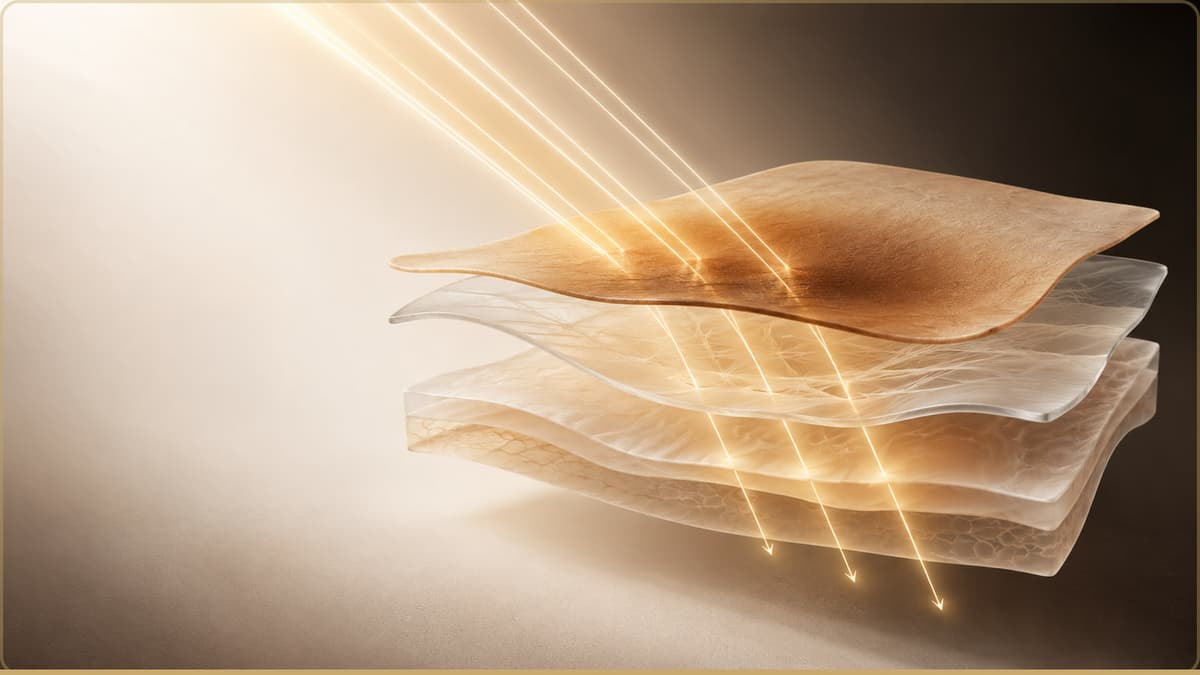
The World Health Organization says a UV-induced tan is the skin’s response to damage. A tan may provide limited protection against sunburn, but it does not prevent long-term UV damage, such as skin cancer. This means claims that UV tanning is “safe,” “healthy,” or risk-free are inconsistent with the evidence presented here. A lack of visible sunburn is not proof that the skin avoided damage, and a tan itself should not be treated as evidence of protection from lasting harm.
The limits of a tan matter when social media presents it as a desirable result. The WHO explains that darkening of the skin is a defense response to further UV damage, and that the protection against sunburn is limited. That limited effect does not change the central point: a tan does not prevent long-term UV damage. A photo or caption that focuses only on the color of someone’s skin leaves out this health context.
A University of Utah research team enrolled 364 melanoma-survivor parent-child pairs to evaluate FLARE, a three-session telehealth program about melanoma risk, family sun-protection strategies, and problem-solving barriers. The program improved sun-protective behaviors and reduced overall sun exposure and damage in participating at-risk children, but it did not reduce sunburn rates. The results show that sun safety can involve more than one outcome: adopting protective habits matters, while a reduction in exposure and damage does not necessarily mean fewer sunburns.
The FLARE results also offer a useful example of why outcomes should be described precisely. The study found improvements in protective behaviors and reductions in overall exposure and damage, but not in sunburn rates. It would overstate the findings to say that the program prevented sunburn or that it guarantees the same results for every family. Its reported findings are specific to the program and participating at-risk children.
Section source: Radiation: The known health effects of ultraviolet radiation; New program helps high-risk children improve sun protection behaviors.
How to use it in a real routine

Treat a tanning post as a claim to assess, not as a sun-safety plan. Ask whether it distinguishes cosmetic appearance from health, acknowledges that a tan signals UV damage, and explains the limits of sunscreen. If a post suggests that sunscreen lets you stay out longer or tan without risk, it conflicts with WHO guidance. Sunscreen can be part of protection, but it cannot completely block UV radiation or make intentional tanning safe.
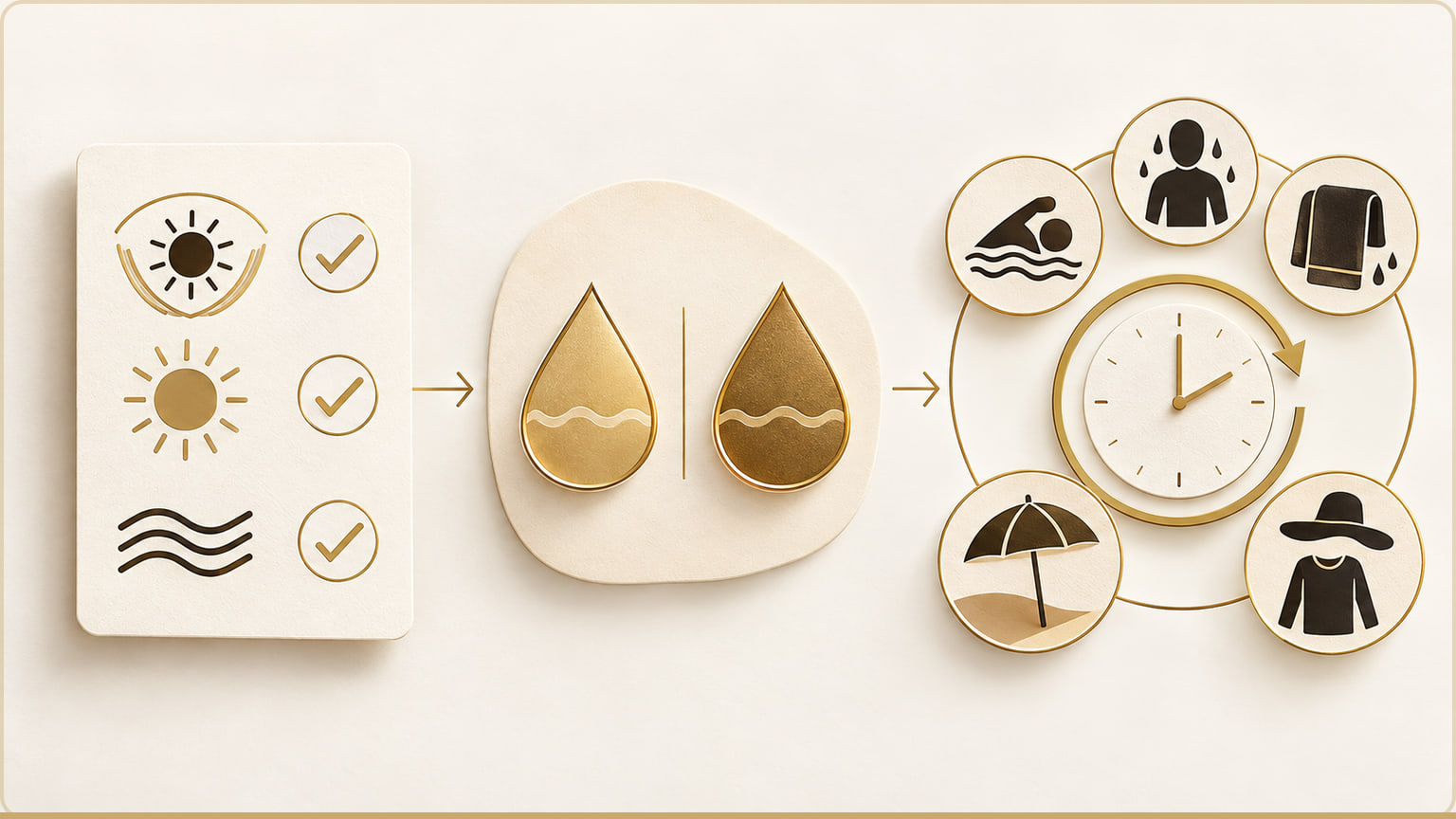
When spending time outdoors, combine protection methods. Choose sunscreen labeled broad spectrum, SPF 30 or higher, and water resistant. Broad spectrum indicates protection from both UVA and UVB rays. Water resistance lasts 40 or 80 minutes, as stated on the product label; check which duration applies to the sunscreen you choose. The label’s water-resistance period does not remove the need to reapply.
The American Academy of Dermatology advises reapplying sunscreen every two hours and after swimming, sweating, or toweling off. Follow that timing as part of your routine, including when the product is labeled water resistant. No sunscreen filters out all UVB rays, so include shade and protective clothing rather than relying on sunscreen alone. Use sunscreen on uncovered skin alongside these measures, not to extend your time in the sun.
For a simple checklist, check the label for broad-spectrum protection, SPF 30 or higher, and water resistance. Note whether the label states 40 or 80 minutes of water resistance, plan when and how you will reapply, and decide what clothing or shade will protect the areas sunscreen does not cover. A sunscreen label can help you choose a product, but it cannot make intentional tanning safe.
This combination approach keeps each method in its proper role. Sunscreen is for uncovered skin; clothing and shade add protection, since sunscreen cannot block all UV radiation. The WHO specifically advises against using sunscreen to lengthen time in the sun. A routine built around a product label alone can miss that limitation, so consider the protection measures together when planning time outdoors.
Section source: How to select a sunscreen; How to decode a sunscreen label; Radiation: Protecting against skin cancer.
Who should be cautious
Anyone considering intentional UV tanning should take seriously the fact that a tan indicates skin damage; sunscreen does not remove that risk. The WHO advises using sunscreen on uncovered skin alongside shade and clothing, not as a way to stay in the sun longer. The provided sources do not establish that any particular skin type can tan without UV damage. The limited sunburn protection associated with a tan should not be mistaken for protection against long-term harm.
Parents and caregivers may find it useful to make protection a shared routine for children rather than relying on sunscreen alone. In the FLARE study, protective behaviors improved and overall exposure and damage decreased among participating at-risk children, while sunburn rates did not. The program involved three telehealth sessions covering melanoma risk, family sun-protection strategies, and problem-solving around barriers. Its results support practical family planning but do not promise the same outcome for every family.
The study’s combination of education, family strategies, and problem-solving is relevant to routines because it addressed how families might put protection into practice. Its reported outcome, however, should be kept in view: the program improved behaviors and reduced overall exposure and damage, but did not reduce sunburn rates. Families can use the findings as an example of a family-based approach without assuming that a particular program or behavior will guarantee a specific result.
Section source: Radiation: The known health effects of ultraviolet radiation; Radiation: Protecting against skin cancer; New program helps high-risk children improve sun protection behaviors.
Lux Aura Care edit: products that fit this routine
The Gua Sha Jade Roller Set, Vibro Glow Face Massager, Ice Face Roller Gua Sha Set, and Centella Collagen Sleep Masks are listed here as products. The provided sources do not establish their uses or benefits, so they are not presented as sun-protection products or as ways to prevent UV damage.
Conclusion
A UV tan is not evidence of healthy or safe sun exposure; it is a sign of skin damage. Choose broad-spectrum SPF 30 or higher sunscreen labeled water resistant, check the label’s 40- or 80-minute water-resistance period, and reapply every two hours and after swimming, sweating, or toweling off. Combine sunscreen with shade and protective clothing. Treat social media tanning claims skeptically, especially when they imply that sunscreen removes the risks of intentional tanning or lets you stay in the sun longer.
FAQ
Does a tan provide natural sun protection?
A tan provides only limited protection against sunburn and does not prevent long-term UV damage. The WHO describes a UV-induced tan as a sign of skin damage, so the tan should not be treated as a safe form of sun protection.
Can sunscreen make intentional tanning safe?
No. Sunscreen cannot completely block UV radiation and should not be used to extend time in the sun. Use it on uncovered skin alongside shade and protective clothing.
What should I check on a sunscreen label?
Look for broad-spectrum protection, SPF 30 or higher, and water resistance. The label states whether water resistance lasts 40 or 80 minutes. Reapply every two hours and after swimming, sweating, or toweling off.
Is sunscreen enough on its own?
No. No sunscreen filters out all UVB rays, and sunscreen cannot completely block UV radiation. The AAD advises using shade and protective clothing as well, and the WHO advises using sunscreen on uncovered skin as part of that combination.
Sources
- Radiation: The known health effects of ultraviolet radiation
- New program helps high-risk children improve sun protection behaviors
- How to select a sunscreen
- How to decode a sunscreen label
- Radiation: Protecting against skin cancer
This article was prepared with the support of AI tools and reviewed against the public sources listed above. It is general educational content, not medical advice.