
In brief
Current as of 2026-10-21.
- Allure describes an oil-style body wash with glycerin and jojoba oil as an option for extra-dry skin. A dermatologist quoted by Allure said it cleanses without leaving a tight feeling.
- For dry, sensitive or eczema-prone skin, Allure describes a creamy, fragrance-free wash with shea butter and niacinamide. Its dermatologist source said the formula supports the moisture barrier.
- For back acne, the American Academy of Dermatology (AAD) says benzoyl peroxide wash can help control acne when used daily. Leave it on the back for two to five minutes before rinsing, and take care because it can bleach fabrics.
What the evidence says
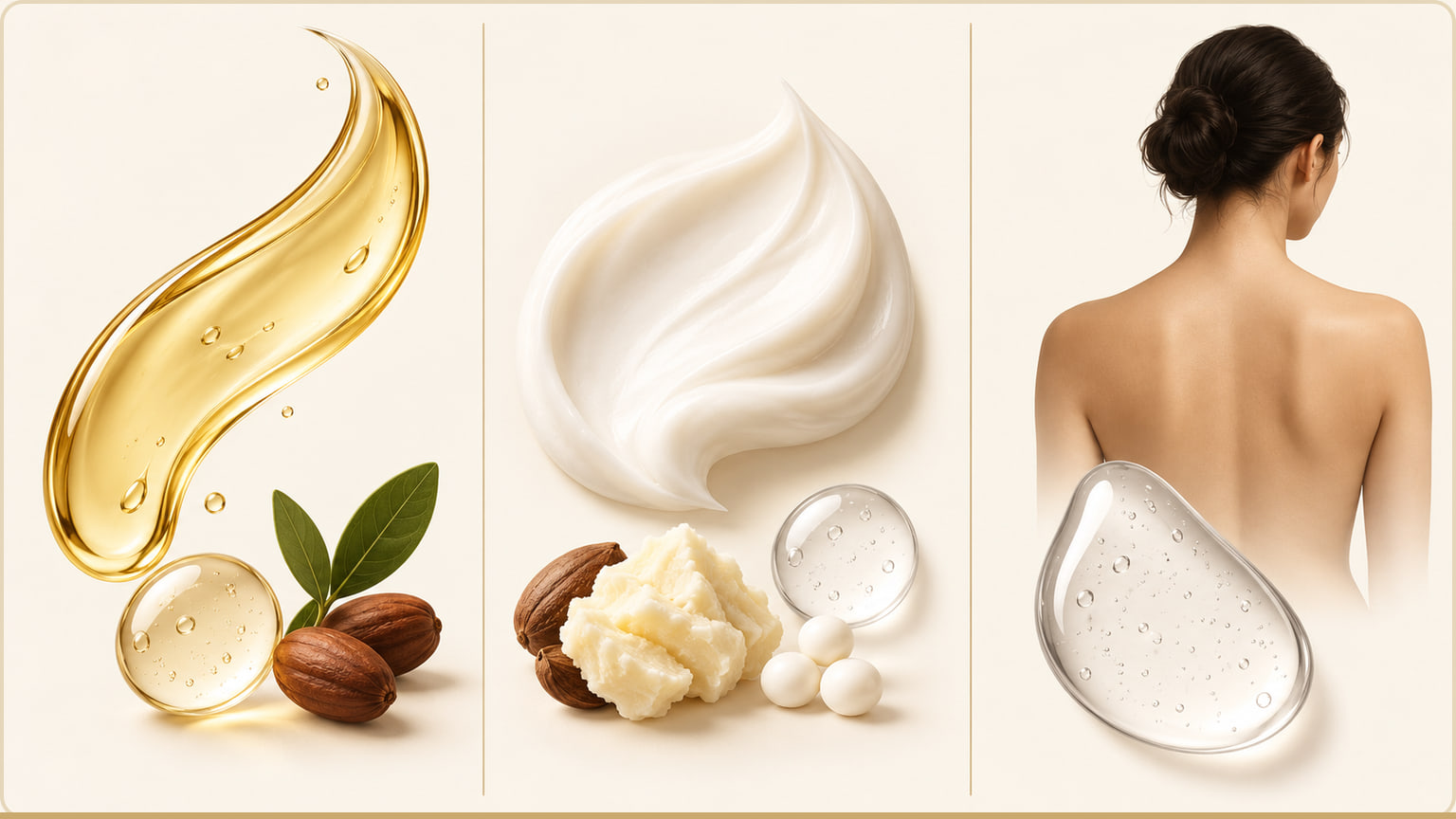
Body washes can serve different purposes, so the examples in the sources offer a way to compare formulas with different skin concerns in mind. Allure describes an oil-style wash containing glycerin and jojoba oil as an option for extra-dry skin. The article reports that dermatologist Dara Spearman said the wash cleanses without leaving a tight feeling. It pairs the ingredients with the cleansing role of a traditional body wash, while offering the feel of a body oil.
Allure also describes a creamy, fragrance-free wash containing shea butter and niacinamide for dry, sensitive or eczema-prone skin. The dermatologist quoted in the article said it supports the moisture barrier. This is a separate product example with a different formula and intended skin types; it does not mean every wash containing these ingredients will have the same effect.
Fragrance labels can matter when choosing among products. Allure reports that some products labeled “unscented” may still contain masking fragrance, while its featured wash for dry, sensitive or eczema-prone skin is described as fragrance-free. If avoiding fragrance is a concern, the label “unscented” alone may not settle whether a product contains fragrance.
For body breakouts and rough texture, Allure describes a body wash containing glycolic, lactic and salicylic acids as one possible option. The article says the formula may help with breakouts and rough texture, and reports that its dermatologist source considers the formula supportive of the skin barrier. This product example is distinct from the AAD’s guidance on benzoyl peroxide for back acne.
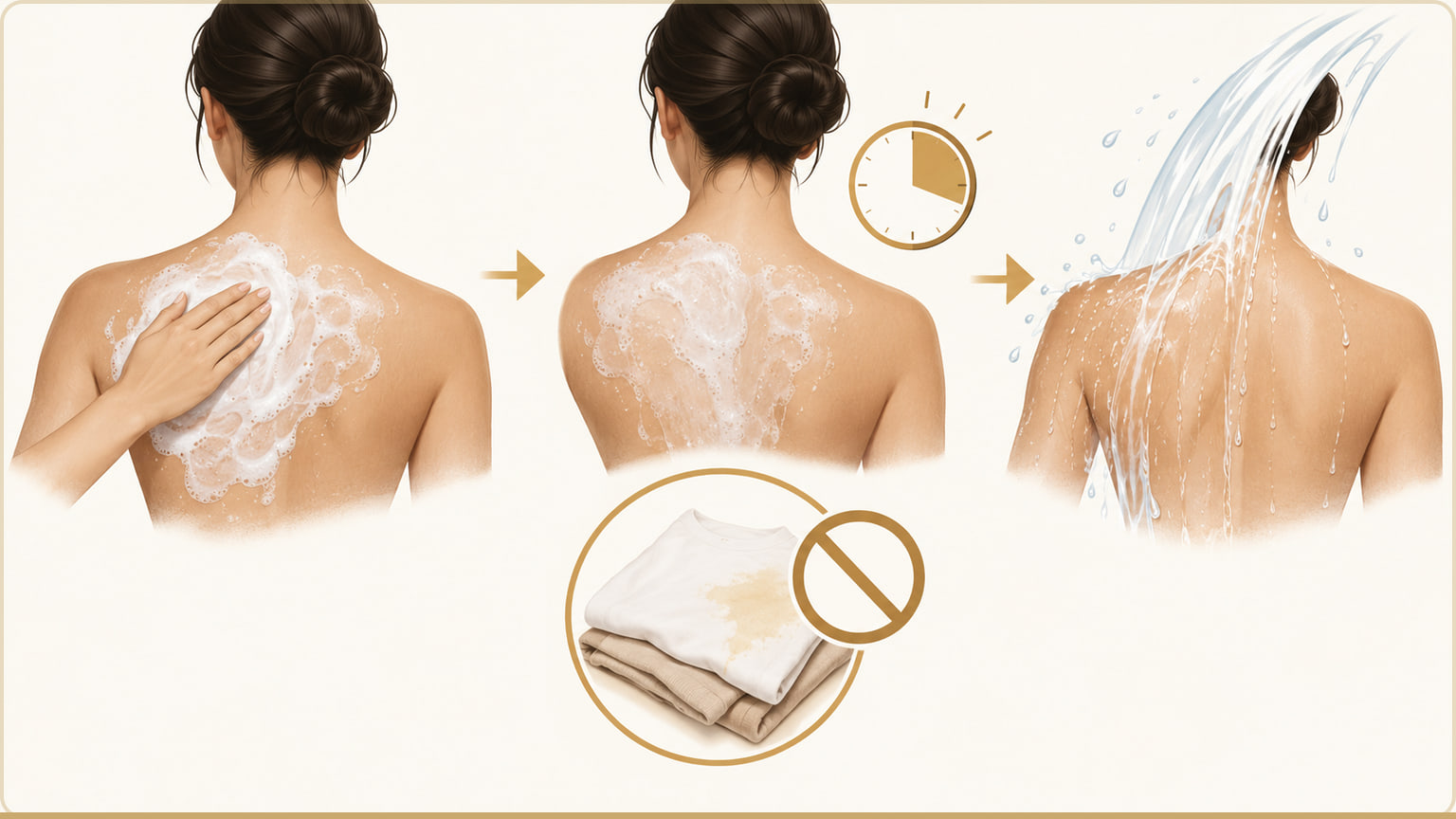
The AAD says benzoyl peroxide wash can help control back acne when used daily. It advises leaving the wash on the back for two to five minutes before rinsing. The AAD also warns that benzoyl peroxide can bleach fabrics, so it is important to keep that effect in mind when using the product.
The AAD recommends gentle cleansing and gentle, fragrance-free skin-care products for people treating back acne. It warns that scrubbing, abrasive scrubs and tools such as loofahs can worsen acne. That guidance supports keeping the washing step gentle, including when using a wash intended to address breakouts.
Section source: 7 Best Body Washes 2026 for Dry Skin, Body Acne, and More; Back acne: How to see clearer skin.
How to use it in a real routine
For dry or sensitive skin, the product examples suggest comparing the formula and fragrance description with your concern. Allure describes one oil-style wash with glycerin and jojoba oil for extra-dry skin, and a separate creamy, fragrance-free wash with shea butter and niacinamide for dry, sensitive or eczema-prone skin. These descriptions identify examples from the article; they do not guarantee a particular result for an individual.
If avoiding fragrance is a concern, Allure’s note about “unscented” products is useful when reading product labels: some may contain masking fragrance. Allure describes the featured wash for dry, sensitive or eczema-prone skin as fragrance-free. Checking the product’s description and ingredients can help distinguish that wording from “unscented.”
For back acne, if you use benzoyl peroxide wash, follow the product label and the AAD’s advice to leave it on the back for two to five minutes before rinsing. The AAD says daily use can help control back acne. Because benzoyl peroxide can bleach fabrics, take care around towels and clothing.
Keep cleansing gentle while treating back acne. The AAD recommends gentle cleansing and gentle, fragrance-free skin-care products, and says scrubbing, abrasive scrubs and loofahs can worsen acne. A body wash can be part of the cleansing step, but the guidance does not call for scrubbing the skin with a rough tool.
The acid-containing wash described by Allure is another product example for body breakouts and rough texture. The article says the combination of glycolic, lactic and salicylic acids may help with those concerns, while its dermatologist source said the formula supports the skin barrier. The AAD’s benzoyl peroxide instructions are separate guidance for back acne; they describe how to use that wash, including how long to leave it on.
Section source: Back acne: How to see clearer skin; 7 Best Body Washes 2026 for Dry Skin, Body Acne, and More.
Who should be cautious
Contact dermatitis can cause dry, itchy, cracked skin. The NHS says soaps or detergents can trigger it, and symptoms may improve or clear if the trigger is avoided. If a product seems to be connected with a reaction, avoiding the suspected trigger is consistent with that guidance.
The NHS advises stopping an emollient if your skin reacts to it and speaking with a pharmacist about an alternative. It also notes that perfume in some over-the-counter emollients can trigger reactions in sensitive skin. This advice concerns emollients; it is useful context when considering a skin reaction, but it does not mean every reaction to a body wash is contact dermatitis.
Allure advises stopping a body wash immediately if persistent redness or irritation follows its use, and suggests discussing the reaction with a dermatologist. If the skin is persistently irritated after using a wash, the article’s guidance is to stop using it and discuss the reaction with a dermatologist.
For contact dermatitis symptoms, the NHS says to speak with a GP if they are persistent, recurring or severe. Avoiding an identified irritant or allergen can allow the skin to improve or clear, although it may not always be possible to identify or avoid the trigger.
If back acne is deep or painful, the AAD says a dermatologist’s help is needed. For back acne being treated at home, its guidance also calls for gentle cleansing and warns against scrubbing and loofahs that can worsen acne.
Section source: Contact dermatitis; Contact dermatitis - Treatment; 7 Best Body Washes 2026 for Dry Skin, Body Acne, and More; Back acne: How to see clearer skin.
Lux Aura Care edit: products that fit this routine
A body wash does the cleansing. The product paths below identify other Lux Aura Care products, but the paths alone do not establish their ingredients, intended use or skin results. Because the AAD advises against abrasive scrubs and tools such as loofahs for back acne, avoid using the listed brushes on breakout-prone areas.
Conclusion
For extra-dry skin, Allure describes an oil-style body wash with glycerin and jojoba oil; its dermatologist source said it cleanses without leaving a tight feeling. For dry, sensitive or eczema-prone skin, it describes a creamy, fragrance-free wash with shea butter and niacinamide that its dermatologist source said supports the moisture barrier. For back acne, the AAD says benzoyl peroxide wash can help control acne when used daily; leave it on for two to five minutes before rinsing. Cleanse gently, avoid scrubbing, and speak with a GP about persistent, recurring or severe contact dermatitis symptoms.
FAQ
Is “unscented” the same as fragrance-free?
Not necessarily. Allure reports that some unscented products may still contain masking fragrance, while its featured wash for dry, sensitive or eczema-prone skin is described as fragrance-free. Check the product description and ingredients if fragrance is a concern.
How should I use benzoyl peroxide wash on my back?
Follow the product label. The AAD advises leaving benzoyl peroxide wash on the back for two to five minutes before rinsing. It says daily use can help control back acne and warns that benzoyl peroxide can bleach fabrics.
When should I stop using a body wash?
Allure advises stopping a body wash immediately if persistent redness or irritation follows its use and suggests discussing the reaction with a dermatologist. The NHS advises avoiding contact dermatitis triggers where possible and speaking with a GP if symptoms are persistent, recurring or severe.
Sources
- 7 Best Body Washes 2026 for Dry Skin, Body Acne, and More
- Back acne: How to see clearer skin
- Contact dermatitis
- Contact dermatitis - Treatment
This article was prepared with the support of AI tools and reviewed against the public sources listed above. It is general educational content, not medical advice.