In brief
Current as of 2026-10-28.
- Choose a gentle, unperfumed cleanser and use an unperfumed moisturizer or emollient regularly. Ingredient names can guide your choice, but they cannot guarantee how your skin will respond.
- Keep showers cool or lukewarm, and avoid long baths or showers if heat seems to worsen your itch.
- Seek medical advice if itching is severe, widespread, disrupts daily life, keeps returning, does not improve with self-care, or occurs during pregnancy.
What the evidence says
A cleanser that leaves your skin feeling tight or stripped may not suit your routine. A moisturizing cleanser can be a practical alternative. An October 28, 2026, Allure guide highlights glycerin, ceramides and shea butter as ingredients associated with moisturizing cleansers, and recommends fragrance- and dye-free formulas for sensitive or eczema-prone skin. The guide describes glycerin as helping attract water to the skin and plant-based surfactants as a way to cleanse without stripping. These descriptions are useful clues when reading a label, not proof that every formula containing those ingredients will suit everyone.
Moisturizer is a reasonable starting point for dry skin, but persistent itch should not automatically be treated as a simple dryness problem. A dermatologist interviewed by Dermatology Times described eczema as a chronic inflammatory condition involving both the immune system and the skin barrier. The same article notes that its effects can extend beyond visible skin changes, affecting sleep, mood, relationships and work. It is therefore useful to notice how often itch wakes you and what it prevents you from doing, not just how your skin looks.
Warm environments and hot-water exposure are commonly reported itch triggers for people with atopic dermatitis, according to an October 22, 2026, review. The review also says that direct evidence linking ambient heat to objectively measured nighttime scratching remains limited. If warmth appears to aggravate your symptoms, adjusting your shower is a reasonable comfort measure; it does not establish the cause of the itch or treat an underlying condition.
Section source: 8 Best Moisturizing Body Washes 2026 for Dry, Itchy Skin.
Section source: Beyond Dry Skin: Rethinking Common Eczema Misconceptions.
Section source: Thermally provoked itch in atopic dermatitis: current evidence, knowledge gaps, and digital approaches to nocturnal scratching.
How to use it in a real routine
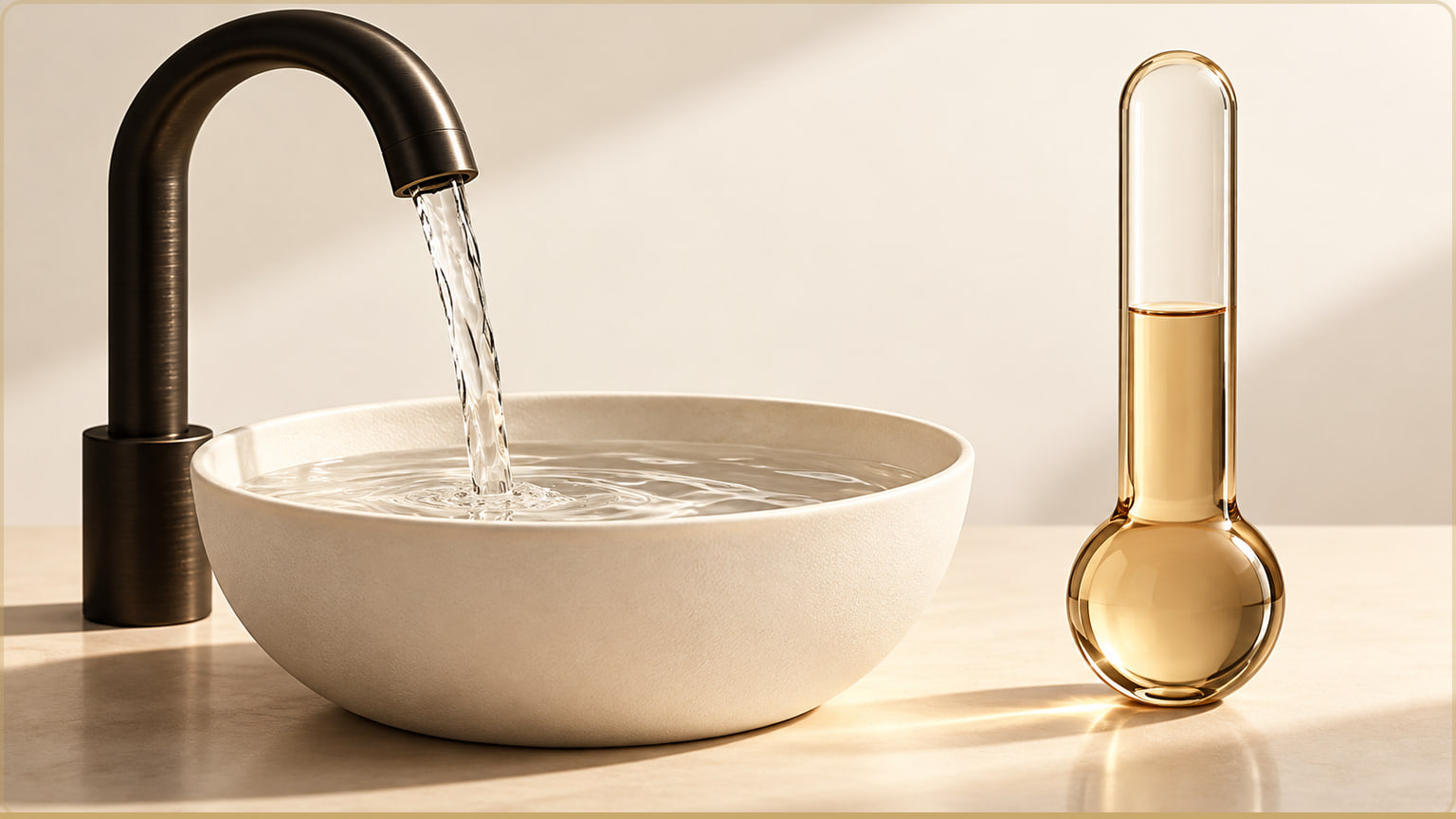
Keep your routine simple while you assess what feels comfortable. In the shower, use a gentle cleanser and avoid prolonged exposure to hot water. If your current wash leaves your skin feeling tight, consider a moisturizing cleanser. A product name alone does not establish whether a formula is suitable for itchy or sensitive skin; read the label and follow the directions.
After washing, use an unperfumed moisturizer or emollient regularly. Choose a texture you find comfortable enough to use consistently, and apply it according to the product instructions. If you are comparing formulas, ingredients such as glycerin, ceramides and shea butter can indicate a moisturizing focus, but they do not guarantee individual results. Patch-test a new product if appropriate, and stop using it if it causes a concerning reaction.
For itch, the NHS suggests patting or tapping rather than scratching, holding something cool against the skin, and wearing loose cotton or silk clothing. It also advises against perfumed soaps, deodorants and moisturizers. If warmth is a personal trigger, cooler or lukewarm showers may be more comfortable. Keep track of whether the itch is improving, returning or affecting your sleep and daily activities. That information can help you explain the problem if you seek care.
Section source: Itchy skin.
Who should be cautious

Pay particular attention if itching is severe, widespread, keeps returning or does not improve with self-care. Itch that affects everyday life also deserves attention. The NHS advises seeking medical advice in these situations and if itching occurs during pregnancy. Pregnancy-related itch is common, but the NHS notes that it can sometimes be associated with a liver condition, so check with a GP or midwife rather than assuming it is ordinary dryness.
If you suspect eczema, do not assume that moisturizer alone addresses the whole problem. Eczema involves inflammation as well as the skin barrier, and its impact may include sleep and other aspects of daily life. A clinician can assess your symptoms and advise on care. Avoid trying to diagnose yourself based on a product label or a single symptom.
Avoid repeatedly changing products if your skin seems to react to them. If a new cleanser or moisturizer makes your symptoms worse, stop using it and seek advice if the reaction is concerning or persistent. A pharmacist can help identify suitable self-care products and advise whether you may need to see a GP.
Section source: Itchy skin.
Section source: Beyond Dry Skin: Rethinking Common Eczema Misconceptions.
Lux Aura Care edit: products that fit this routine
For dry, itchy skin, the most relevant Lux Aura Care options are body-care tools and a cleanser you choose based on its label. The live catalog includes a natural bristle spa brush and an exfoliating spa body brush, but brushing is not needed to moisturize, and friction may be uncomfortable on irritated skin. If your skin is itchy or reactive, skip brushing over affected areas and prioritize gentle cleansing and moisturizer instead.
A resin body gua sha tool is a massage tool, not a moisturizer or treatment for persistent itch. Massage may not feel comfortable on inflamed or irritated skin, so avoid using it on those areas. For a basic routine, the most useful purchase may simply be an unperfumed moisturizer that suits your preferences; the catalog paths listed here do not establish that any tool relieves dry skin or itch.
Follow the instructions for any product you choose. Patch-test where appropriate, and discontinue use if it causes irritation.
- Consider the Clear Skin Hydrocolloid Patches when the routine involves blemish care, skin picking or simple overnight routines. Check the product instructions and introduce one change at a time.
Conclusion
Start with a gentle, unperfumed cleanser, regular use of a comfortable moisturizer, and showers that do not aggravate your itch. If symptoms are severe, persistent or widespread, affect your sleep or daily life, or occur during pregnancy, ask a qualified professional for advice.
FAQ
Does glycerin guarantee that a moisturizer will help my dry, itchy skin?
No. The cited guide describes glycerin as helping attract water to the skin, but an ingredient is a clue about a formula, not a guarantee that it will suit you.
Should I stop showering if hot water makes my skin itch?
The NHS advises taking cool or lukewarm baths or showers and avoiding long baths or showers. If heat seems to worsen your symptoms, try adjusting the water temperature and seek advice if the itch persists or is severe.
When should I speak to a clinician about itching?
Seek medical advice if the itch is severe or widespread, affects daily life, keeps returning, does not improve with self-care, or occurs during pregnancy.
Sources
- 8 Best Moisturizing Body Washes 2026 for Dry, Itchy Skin
- Beyond Dry Skin: Rethinking Common Eczema Misconceptions
- Thermally provoked itch in atopic dermatitis: current evidence, knowledge gaps, and digital approaches to nocturnal scratching
- Itchy skin
This article was prepared with the support of AI tools and reviewed against the public sources listed above. It is general educational content, not medical advice.