
In brief
Current as of 2026-10-19.
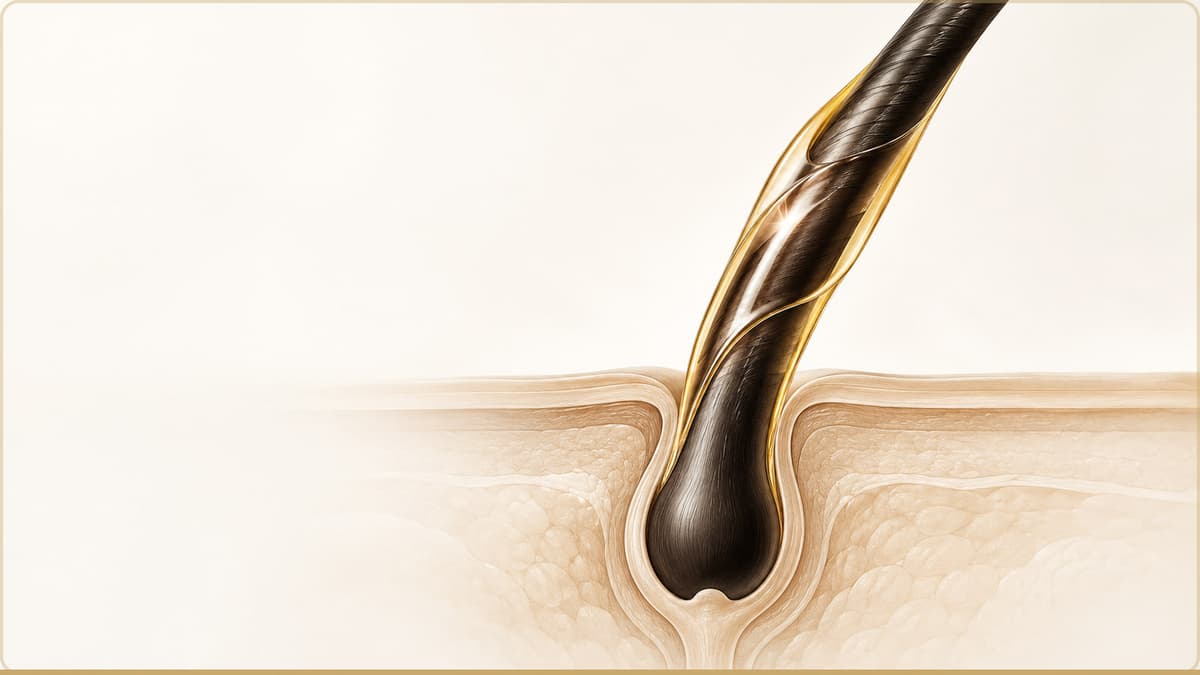
- Castor oil may coat existing hair and improve shine, but a fuller-looking result does not establish new follicle growth.
- Current evidence does not show that topical castor oil reliably increases human hair density, length, or follicular growth.
- If thinning or shedding persists, a dermatologist can help identify its cause; an oil routine should not delay an evaluation.
What the evidence says
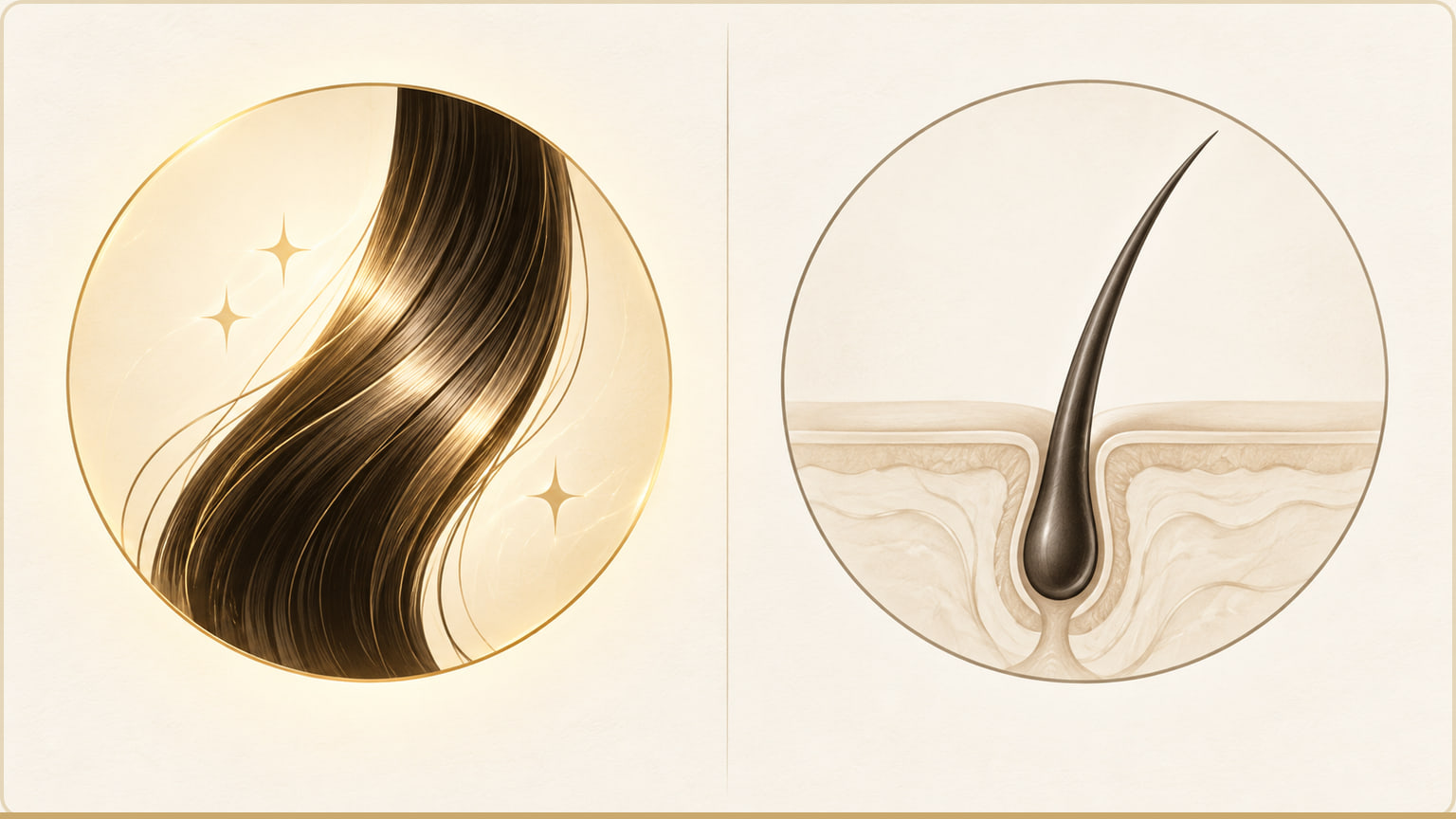
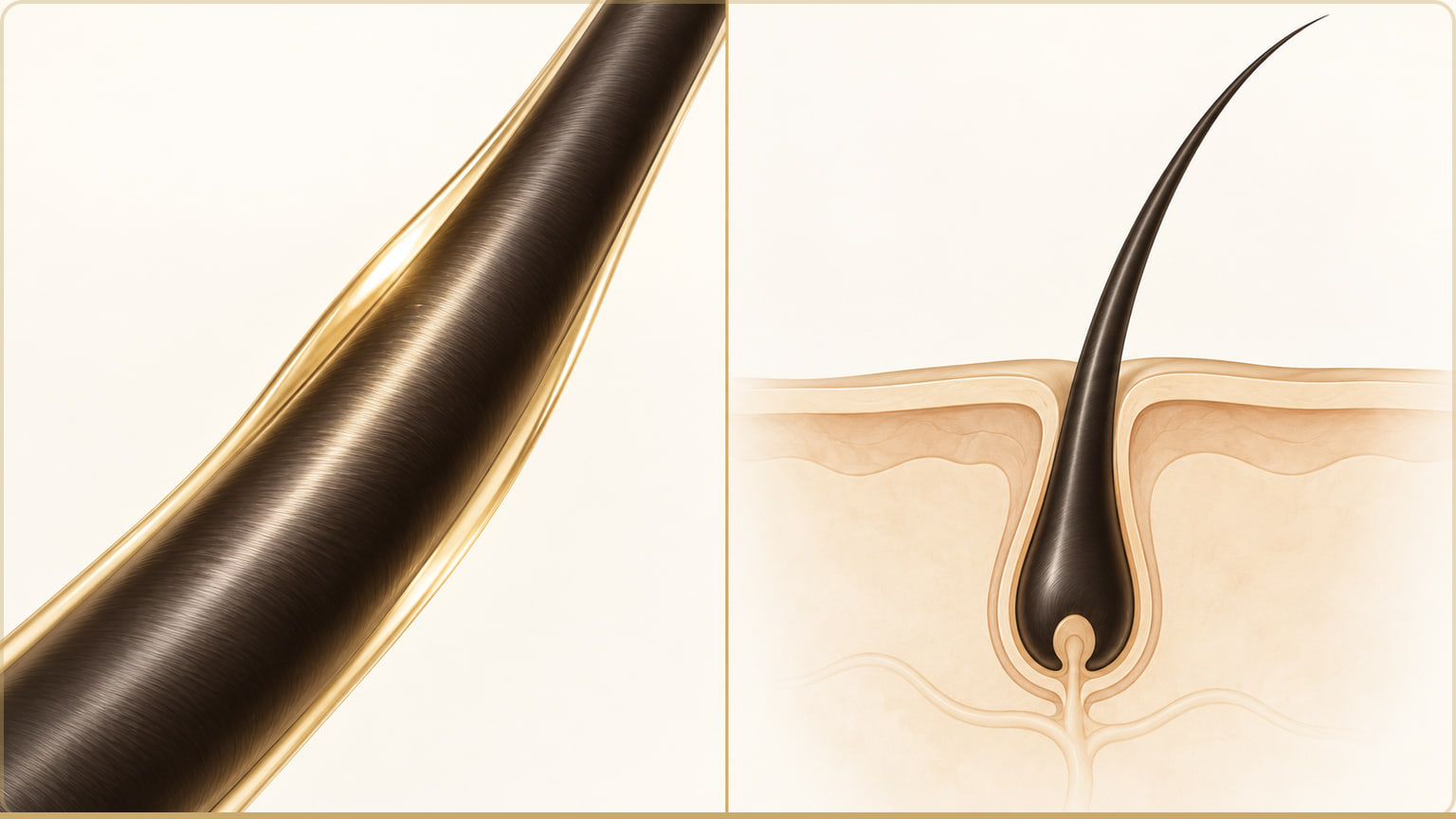
Castor oil is best understood as a possible hair-conditioning oil, not a proven hair-growth treatment. It may coat the hair shaft and improve luster, making hair look shinier or fuller without demonstrating a change in follicle activity. That distinction matters: appearance and growth are different outcomes. A change in shine or the way strands sit can affect how full hair looks, but it does not by itself show that follicles are producing more hair.
The growth claim remains unproven. Current evidence does not show that topical castor oil reliably increases hair density, length, or follicular growth in people. Those are distinct outcomes: hair can look shinier, feel more conditioned, or seem fuller without evidence of increased density, longer growth, or changed follicle activity. When assessing a product, it helps to keep those cosmetic effects separate from claims of regrowth.
A proposed mechanism involving ricinoleic acid does not close the evidence gap. Laboratory research suggests it may inhibit prostaglandin D2 synthase, but whether that translates into meaningful growth in people remains uncertain. A biological mechanism that may be relevant to hair loss is a reason for further study, not proof that applying the oil produces a clinical result.
A 2022 systematic review of 22 studies found weaker evidence that castor oil may improve hair quality and luster, but no strong evidence that it promotes growth. The finding supports a limited expectation: some people may notice a cosmetic difference in their hair’s appearance, while the evidence does not support promising new growth. The distinction between hair quality and hair growth is central to interpreting claims about the oil.
Section source: Social Media Mythbusters: Can Castor Oil Really Grow Hair?.
How to use it in a real routine
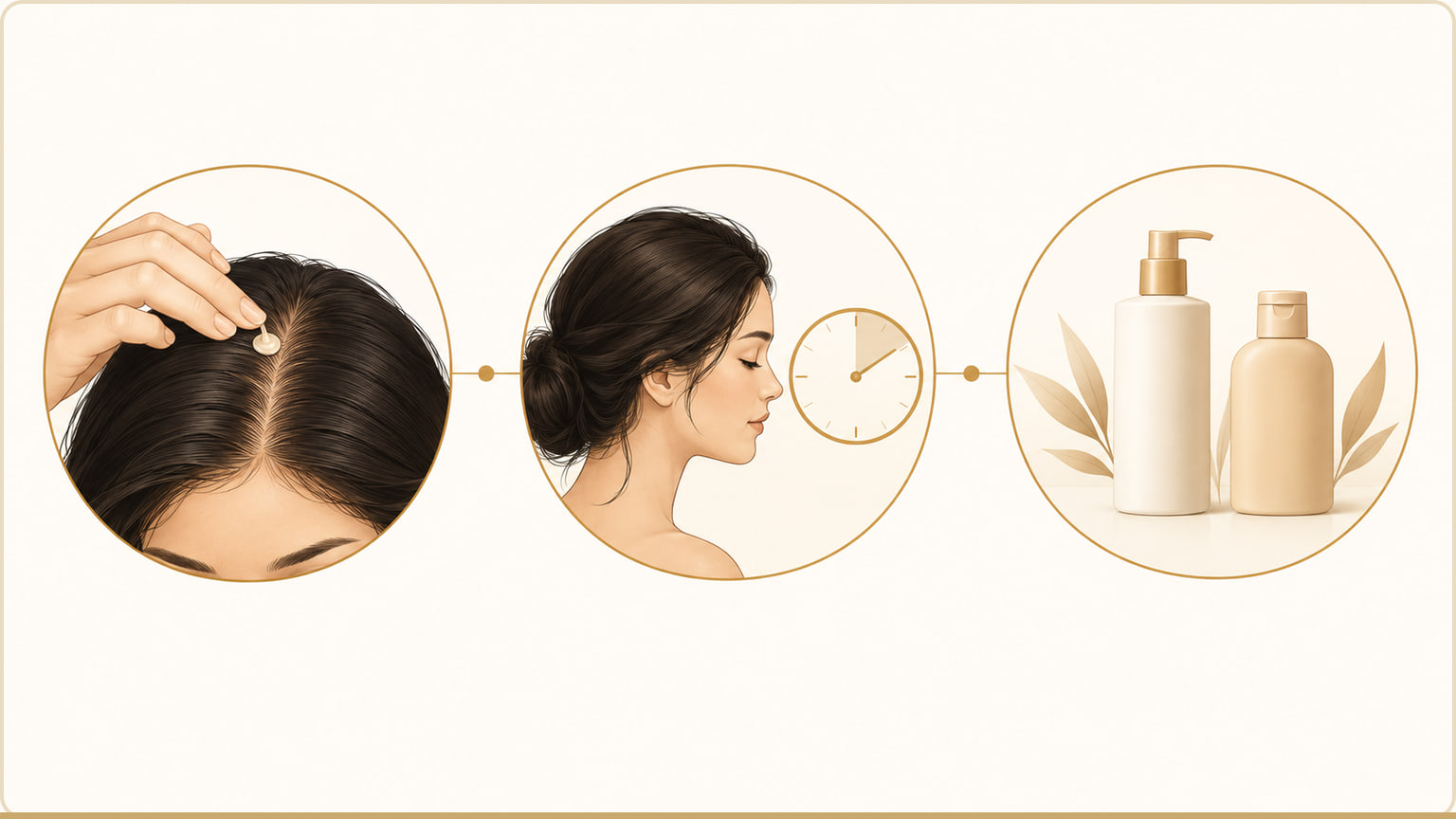
If you enjoy how an oil makes your hair feel, treat it as an optional cosmetic step. Choose products for the benefits they can reasonably offer—such as conditioning or shine—and assess the results by how your hair looks and feels, not as proof that it is growing faster or denser. A visible improvement in luster can be worthwhile as a cosmetic result, while remaining separate from evidence of new growth.
Follow the product’s instructions, and avoid using a thick oil in a way that makes your hair difficult to detangle or wash out. Castor oil is described as thick, and severe hair matting has been reported rarely. If the product leaves the hair tangled or matted, that is a practical reason to stop using it rather than adding more.
For fragile or thinning hair, a gentle shampoo and conditioner are practical basics. The American Academy of Dermatology advises people with hair loss to use both. Conditioner coats strands and helps reduce breakage and split ends, so it can support care of existing hair. This advice concerns hair care; it does not establish that conditioner or castor oil stimulates follicle growth.
When trying a new hair-care product, the AAD advises applying a small amount to the scalp first. If irritation develops within a few hours, switch to a gentler product. This is especially useful when deciding whether a product is comfortable for your scalp: irritation is a reason to change products, not to keep applying it in hopes of a hair-growth effect.
Section sources: Hair loss: Tips for managing; Scalp psoriasis: 10 ways to reduce hair loss.
Who should be cautious
Dermatology Times reports that topical castor oil is generally considered well tolerated, though rare cases of contact dermatitis and severe hair matting have been reported. General tolerability does not mean every person will tolerate it. Its thick consistency may make tangling a practical concern, and a scalp reaction is a reason to stop using the product.
The AAD’s product-testing advice offers a cautious way to try hair-care products: apply a small amount to the scalp and switch to a gentler product if irritation appears within a few hours. This guidance is about testing hair-care products; it does not show that castor oil is an effective treatment for hair loss.
If you are experiencing hair loss, consult a board-certified dermatologist to identify its cause. Hair loss has many possible causes, and earlier evaluation can improve the chance of getting the results you want. Relying on a social media remedy alone may delay that assessment. The oil’s possible cosmetic effects do not explain why hair is thinning or shedding.
Section sources: Social Media Mythbusters: Can Castor Oil Really Grow Hair?; Hair loss: Tips for managing; Scalp psoriasis: 10 ways to reduce hair loss.
Lux Aura Care edit: products that fit this routine
The supplied shop catalog does not list castor oil or hair conditioner, so it would be misleading to present its products as hair-growth options. The items below are for other, clearly labeled self-care steps; none is offered as a substitute for a hair-care routine or professional evaluation.
- For a gentle body-care step unrelated to hair growth, the Natural Bristle Spa Brush may suit readers looking for a body brush. It is not a scalp or hair-growth product.
- If you want a separate facial massage tool, the Gua Sha Jade Roller Set belongs in a face-care routine, not a hair-growth routine.
- For a cooling facial-care option, the Ice Face Roller Gua Sha Set is likewise unrelated to follicle growth.
- The Centella Collagen Sleep Masks are a facial mask option, not a hair-loss treatment.
Follow each product’s instructions and patch-test where appropriate. For a hair routine, choose a gentle shampoo and conditioner suited to your needs. If a hair-care product irritates your scalp, switch to a gentler one. Ask a dermatologist about ongoing hair loss.
Conclusion
Castor oil may make existing hair look shinier or fuller, but the supplied evidence does not establish that it stimulates hair growth in people. A laboratory mechanism involving ricinoleic acid remains uncertain as a clinical effect, and a systematic review found no strong evidence that castor oil promotes growth. If you choose to use oils, use them for cosmetic conditioning, and seek a dermatologist’s evaluation for persistent thinning or shedding.
FAQ
Can castor oil make hair look thicker?
It may coat the hair shaft and improve luster, which can make hair appear fuller. That cosmetic effect does not demonstrate new follicle growth or increased hair density.
Does ricinoleic acid prove castor oil works for hair loss?
No. Laboratory findings suggest a possible mechanism, but whether it leads to meaningful hair growth in people remains uncertain. A possible mechanism is not proof of clinical efficacy.
When should I ask a dermatologist about hair loss?
If you are experiencing hair loss, consult a board-certified dermatologist to identify its cause. Hair loss has many possible causes, and earlier evaluation can improve the chance of getting the results you want. Do not rely on an at-home oil remedy alone.
Sources
- Social Media Mythbusters: Can Castor Oil Really Grow Hair?
- Hair loss: Tips for managing
- Scalp psoriasis: 10 ways to reduce hair loss
This article was prepared with the support of AI tools and reviewed against the public sources listed above. It is general educational content, not medical advice.