
In brief
Current as of 2026-10-26.
- Bemotrizinol (BEMT) is newly permitted in US over-the-counter sunscreens, and brands have begun launching products that contain it.
- BEMT offers UVA and UVB protection, but a new filter name does not guarantee that a formula will suit your skin.
- Check the label for broad-spectrum protection, SPF, and water-resistance directions. Choose a formula you can tolerate and use as directed.
What the evidence says
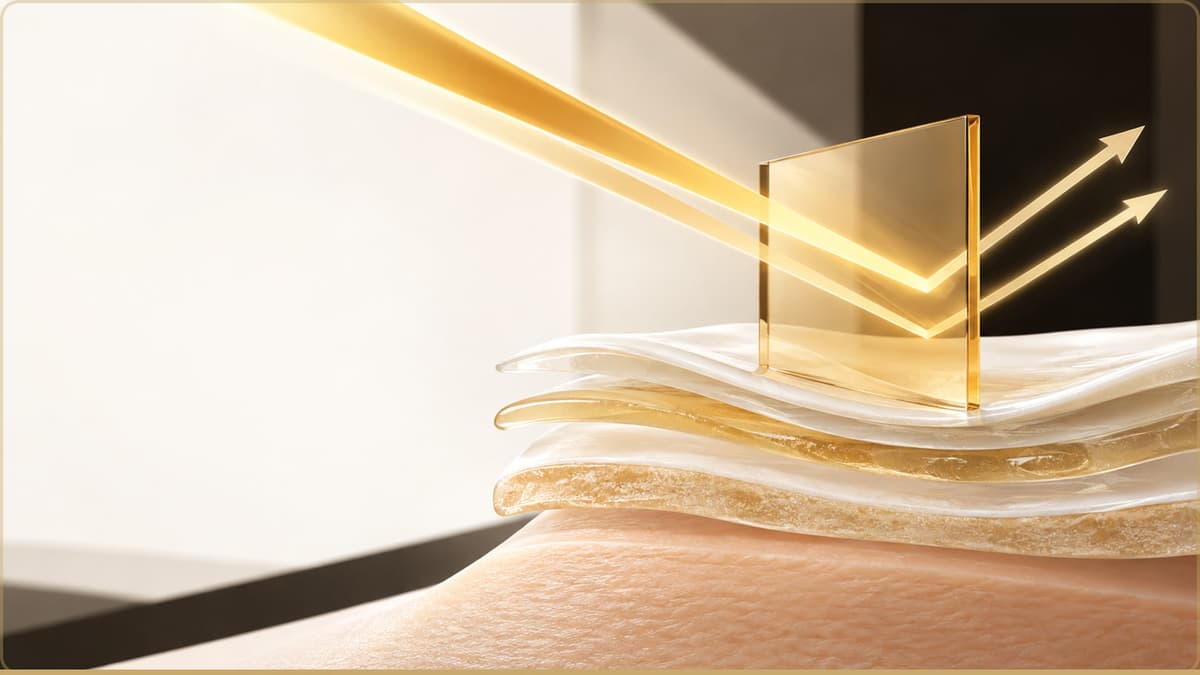
BEMT is a sunscreen active ingredient that the US Food and Drug Administration added to its permitted list in June 2026. The FDA’s final administrative order determined bemotrizinol to be “generally recognized as safe and effective” (GRASE) for sunscreen use in adults and children aged 6 months and older. The agency cited low absorption through the skin and years of safe marketing in Europe and other countries before US approval. It provides protection against both UVA and UVB rays. These are regulatory findings about the ingredient; they do not guarantee that every product containing it will feel comfortable on everyone’s skin.
The FDA permits BEMT at concentrations of up to 6% in US over-the-counter sunscreens. DSM-Firmenich was given exclusive rights to produce the ingredient in the US under the name Parsol Shield. Brands including La Roche-Posay, Neutrogena, and Ultra Violette have launched US products formulated with the filter. This marks the first new active ingredient approved for US over-the-counter sunscreens since 1999.
La Roche-Posay’s announcement describes its Anthelios UV Defense SPF 50 as offering broad-spectrum UVA/UVB coverage up to 370nm. The brand says the product launched on October 20, 2026, and sells for $39.99. Those are product and brand claims; they do not establish that everyone with sensitive skin will tolerate the formula.
Section source: FDA Expands Sunscreen Options for the First Time in 20 Years; La Roche-Posay to Neutrogena: New BEMT sunscreens hitting shelves in the US; La Roche-Posay Introduces Anthelios UV Defense SPF 50 Featuring BEMT.
Trade coverage describes BEMT-based sunscreens as applying clear to the skin, unlike mineral sunscreen formulations, and says they have minimal absorption. It describes the formulas as well suited to sensitive or acne-prone skin. That description applies to the reported formulas; it is not a guarantee that every person with reactive skin will tolerate them. Allure’s sensitive-skin guide notes that some chemical UV filters can penetrate the skin and trigger irritation or allergic reactions in certain people. Its recommendations use mineral filters, including zinc oxide and/or titanium dioxide, which largely stay on the skin’s surface.
Section source: La Roche-Posay to Neutrogena: New BEMT sunscreens hitting shelves in the US; 7 Best Sunscreens for Sensitive Skin That Protect Without Irritation.
How to use it in a real routine
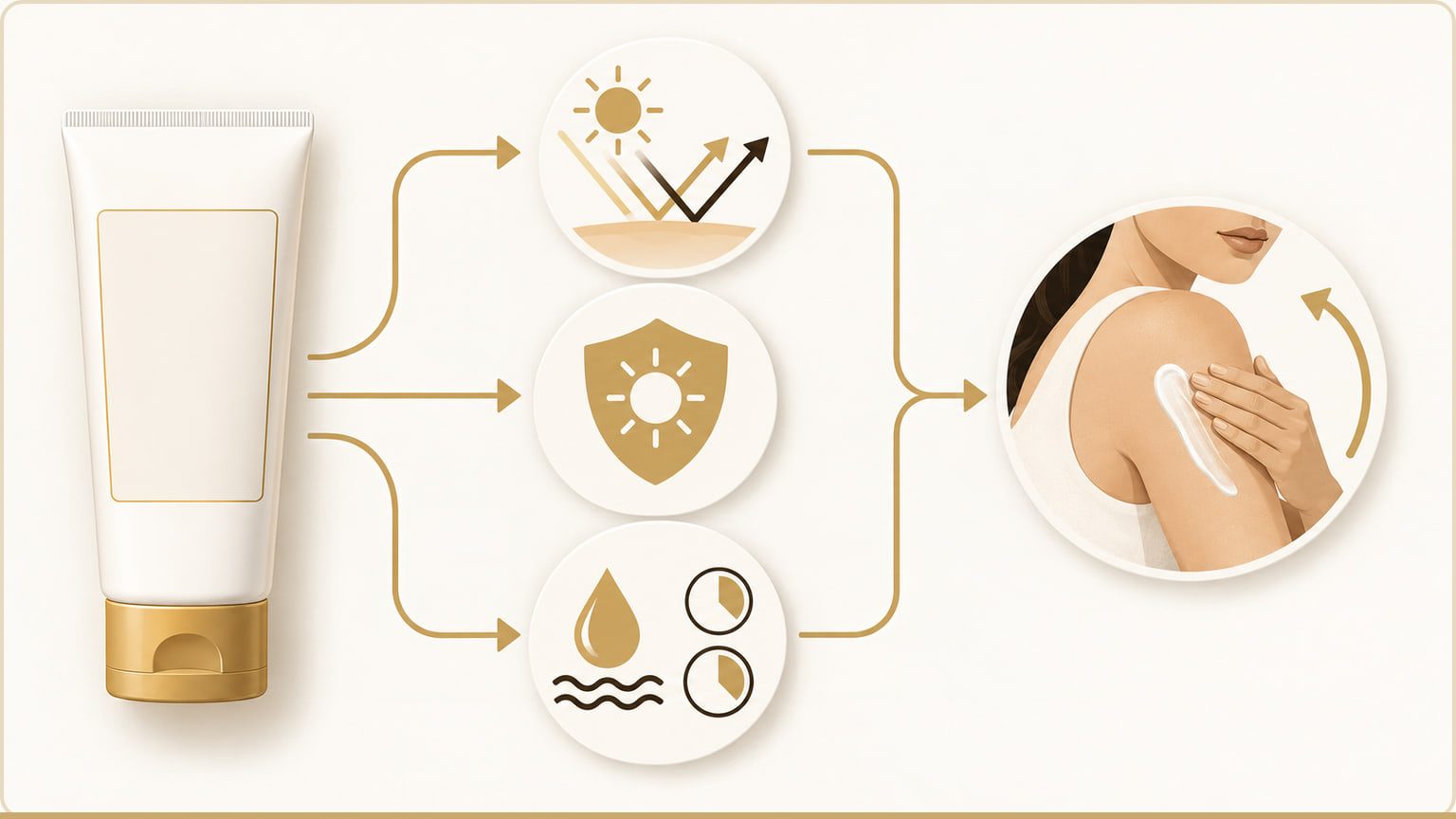
Start with the label rather than the headline ingredient. Choose a product labeled “broad spectrum” with an SPF of at least 15. Broad spectrum indicates protection against UVA and UVB; SPF primarily indicates the level of sunburn protection, which comes mainly from UVB. Since not all sunscreens are broad spectrum, check the finished product’s label rather than assuming that the presence of BEMT tells you everything about its labeled protection.
Follow the product’s application directions and reapply at least every two hours, or more often if you are swimming or sweating. For products labeled water resistant, check whether the label specifies 40 or 80 minutes. No sunscreen is waterproof, and water-resistance labeling indicates how long the product remains effective during swimming or sweating under the required test conditions.
Use sunscreen as directed and pay attention to how your skin responds. If BEMT formulas do not suit you, the sensitive-skin guide includes mineral options such as EltaMD UV Skin Recovery Red Color Correcting SPF 50 and La Roche-Posay Anthelios 50 Mineral Ultra Light Sunscreen. Allure identifies the EltaMD product as containing 12.9% zinc oxide. It describes both picks as chosen for soothing, fragrance-free, barrier-friendly formulas rather than for a new chemical filter. These are editorial picks, not a guarantee of individual tolerance.
Section source: Sunscreen: How to Help Protect Your Skin from the Sun; 7 Best Sunscreens for Sensitive Skin That Protect Without Irritation.
Who should be cautious
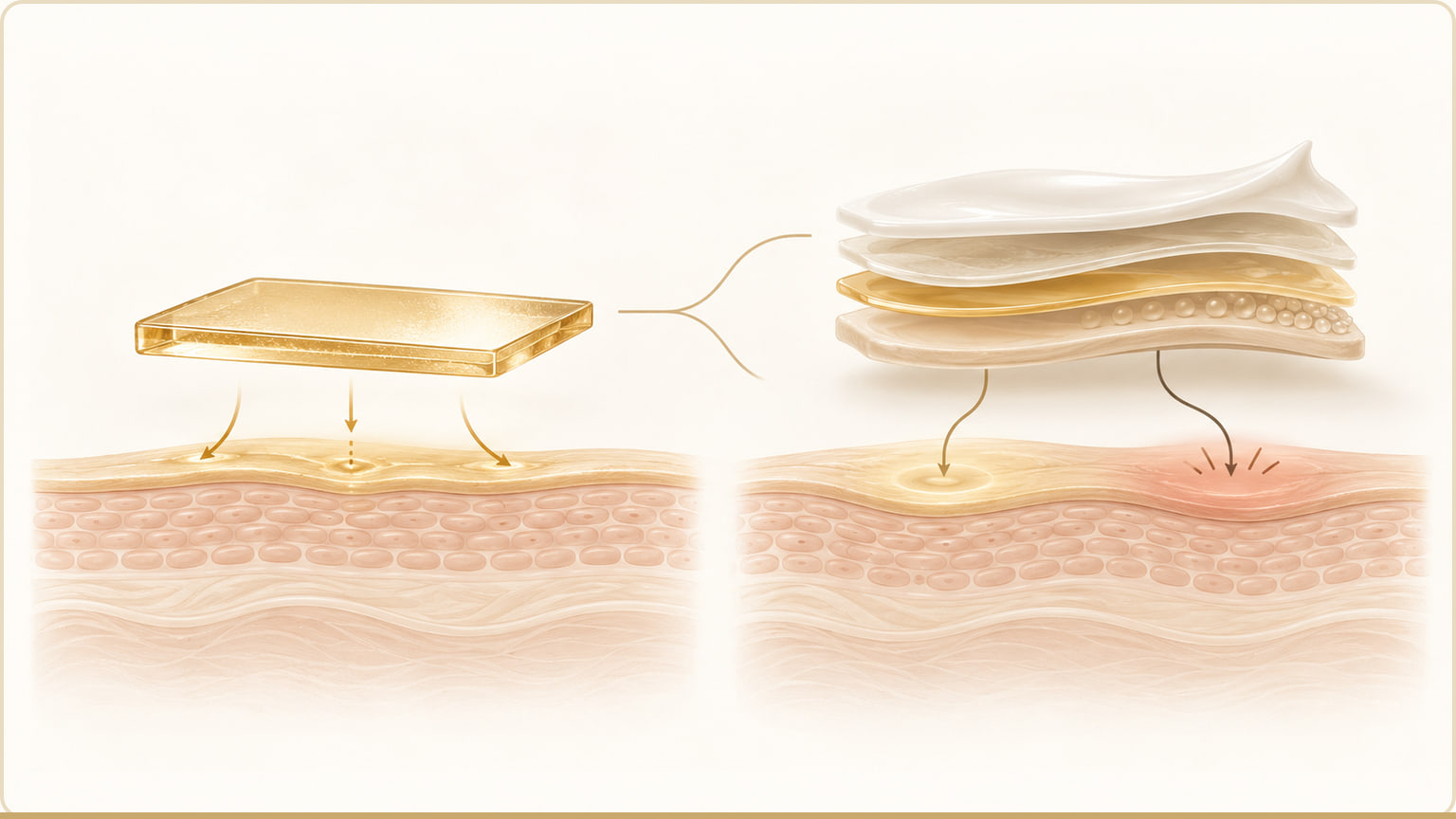
Sensitive skin is personal: a formula that feels fine to one person may irritate another. Allure notes that some chemical UV filters can trigger irritation or allergic reactions in certain people, while its recommendations focus on mineral formulas containing zinc oxide and/or titanium dioxide. Those filters largely stay on the skin’s surface. If you already know you react to a particular sunscreen or ingredient, let that experience guide your choice rather than relying on the BEMT name alone.
The FDA’s finding that BEMT has low absorption through the skin is about the ingredient. It does not establish that a complete sunscreen formula will suit every person with sensitive skin. Similarly, a brand description of a formula as weightless or invisible does not establish that it will be non-irritating. If you are choosing among products, consider the full formula and its label, and select one you can use as directed.
The FDA’s general consumer guidance says sunscreen is not recommended for infants under 6 months. Ask a doctor before applying sunscreen to a younger child. The FDA considers BEMT suitable for sunscreen use in children aged 6 months and older, but caregivers should still follow the product label and the agency’s guidance.
Section source: 7 Best Sunscreens for Sensitive Skin That Protect Without Irritation; Sunscreen: How to Help Protect Your Skin from the Sun; FDA Expands Sunscreen Options for the First Time in 20 Years.
Lux Aura Care edit: products that fit this routine
These products address different parts of a skincare routine. They do not replace sunscreen or change the label directions for a sunscreen product.
- Consider the Clear Skin Hydrocolloid Patches when the routine involves blemish care, skin picking or simple overnight routines. Check the product instructions and introduce one change at a time.
- Consider the Rose Quartz Gua Sha & Jade Roller Set when the routine involves facial massage, cooling or product application. Check the product instructions and introduce one change at a time.
- Consider the Vitamin C Day + Retinol Night Serum Duo when the routine involves active ingredients, brightening, retinoids or day/night routines. Check the product instructions and introduce one change at a time.
- Consider the 24K Gold Collagen Eye Patches when the routine involves under-eye hydration, temporary de-puffing or spa-style care. Check the product instructions and introduce one change at a time.
Conclusion
BEMT expands the active ingredients permitted in US over-the-counter sunscreens and offers UVA and UVB protection. Its FDA status and low skin absorption do not guarantee that a complete formula will suit every person with sensitive skin. Check for broad-spectrum labeling, an SPF of at least 15, and water-resistance directions if applicable. Choose a sunscreen that works for you and follow its directions for application and reapplication.
FAQ
Does BEMT protect against both UVA and UVB?
Yes. The FDA says bemotrizinol protects against both types of ultraviolet rays. Check the finished product’s label for “broad spectrum,” since not all sunscreens carry that labeling.
Does BEMT mean a sunscreen will not irritate sensitive skin?
No. Low skin absorption and a new filter do not guarantee that an entire formula will suit everyone. Allure notes that some chemical UV filters can trigger irritation or allergic reactions in certain people. Its sensitive-skin picks are mineral formulas containing zinc oxide and/or titanium dioxide.
What should I check on a sunscreen label?
Look for “broad spectrum” and an SPF of at least 15. For products labeled water resistant, check whether the label specifies 40 or 80 minutes. Follow the product’s directions for use and reapplication, including reapplying at least every two hours and more often when swimming or sweating.
Sources
- FDA Expands Sunscreen Options for the First Time in 20 Years
- La Roche-Posay to Neutrogena: New BEMT sunscreens hitting shelves in the US
- La Roche-Posay Introduces Anthelios UV Defense SPF 50 Featuring BEMT
- 7 Best Sunscreens for Sensitive Skin That Protect Without Irritation
- Sunscreen: How to Help Protect Your Skin from the Sun
This article was prepared with the support of AI tools and reviewed against the public sources listed above. It is general educational content, not medical advice.