
In brief
Current as of 2026-10-16.
- The FDA says rolling or vibrating handpieces used to massage skin and fat may temporarily improve the appearance of cellulite in the treated area.
- It lists pain, discomfort, and bruising as possible complications.
- This information concerns body-contouring technologies; it does not show that every household roller, massage ball, or foam roller has the same effects or risks.
What the evidence says
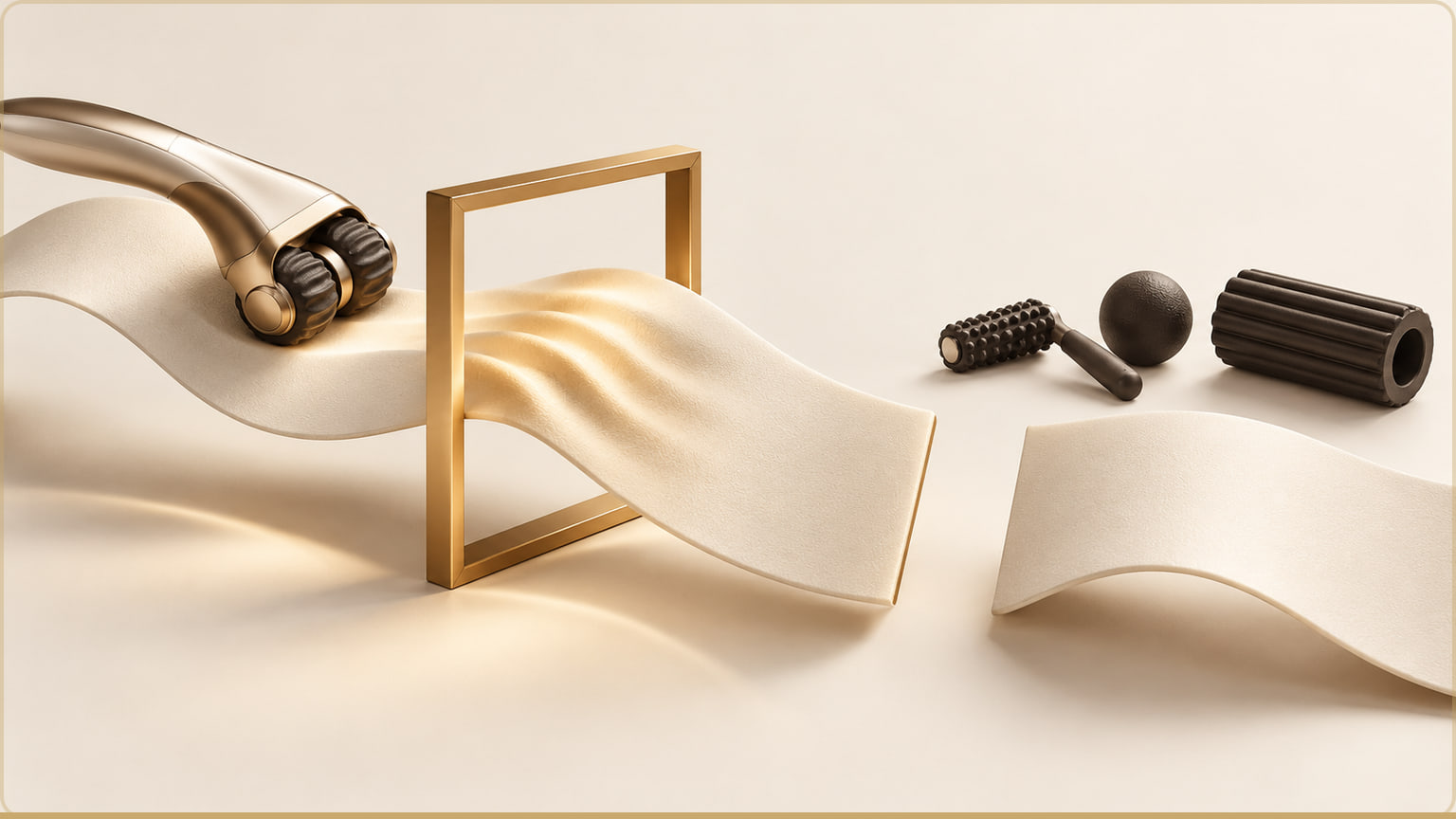
The FDA says rolling or vibrating handpieces used to massage skin and fat may temporarily improve the appearance of cellulite in the treated area. It lists pain, discomfort, and bruising as possible complications. This information concerns body-contouring technologies; it does not show that every household roller, massage ball, or foam roller has the same effects or risks. The FDA also notes more generally that body-contouring procedures may not produce the intended result and that many provide only temporary improvement in the appearance of a bulge or cellulite. FDA: Non-Invasive Body Contouring Technologies.
Taken together, these sources support a cautious conclusion. Some specific body-contouring technologies or treatments may temporarily affect the appearance of cellulite, but the cited evidence does not establish lasting results from ordinary at-home massage tools. It also does not justify treating redness, soreness, or a dramatic sensation as proof that a tool is changing fat or body shape.
Set modest expectations: massage can be part of a relaxing routine, but claims of lasting reshaping or fat reduction require evidence beyond a temporary change in the skin’s appearance. It is reasonable to choose a tool because it feels comfortable, while keeping cosmetic claims separate from the experience of using it.
How to use it in a real routine
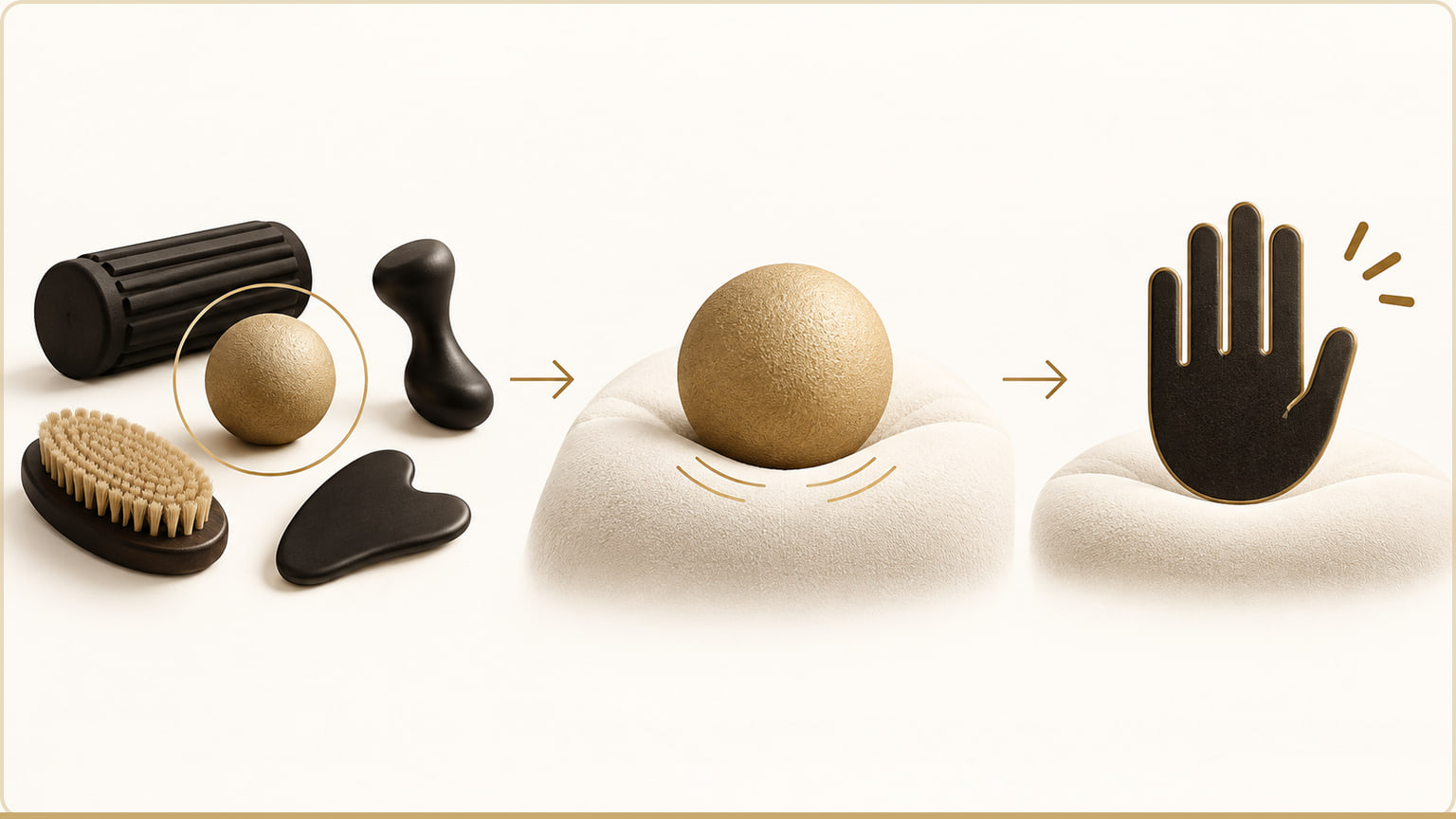
Start with the simplest option that feels comfortable: your hands, a massage ball, a foam roller, or a body massage tool. Keep the session gentle and treat it as a moment to unwind rather than trying to force a visible result. A resin body gua sha tool is one option if you prefer a handheld tool; follow its product instructions and use comfortable pressure.
A simple routine does not need to be complicated. Choose one tool, use it for a comfortable amount of time, and pay attention to how your skin feels during and after the session. The goal here is a pleasant personal-care experience, not to push harder or repeat strokes until the skin looks different. The available evidence does not show that increasing pressure or extending a home session creates a lasting cosmetic result.
For a softer, broader sensation, consider a natural bristle spa brush. Use it only in a way that feels pleasant on your skin. A brush designed for exfoliation, such as the exfoliating spa body brush, serves a different purpose. Brushing can create friction, so avoid pressing hard or repeatedly working over skin that feels tender or irritated. Follow the product instructions and patch-test where appropriate.
A practical approach is to choose one tool, apply light pressure, and stop if a stroke feels uncomfortable. There is no need to chase redness, soreness, or bruising as a sign that a massage is “working.” If you use a massage ball or foam roller, keep the same comfort-first approach and avoid treating the session as a body-shaping method. Stop if you experience pain or notice bruising.
If you are comparing different tools, consider the feel and the kind of contact you prefer. A handheld tool and a brush may create different sensations, but those differences do not establish that one will produce a particular cosmetic outcome. Use the product as directed, keep pressure comfortable, and judge the routine by whether it feels suitable for you.
Who should be cautious
Massage should not hurt. The FDA lists pain, discomfort, and bruising among the possible complications associated with the rolling or vibrating handpieces it discusses. Because this guidance addresses body-contouring technologies, it should not be read as a precise risk estimate for every simple home tool. Still, pain or bruising is a reason to stop rather than increase pressure.
Avoid massaging skin that is already irritated or tender, and be especially gentle if your skin is sensitive. Check the tool’s instructions before use. If you have a health concern that could affect whether massage is suitable for you, ask a qualified health professional before starting. The evidence cited here does not establish the safety or effectiveness of every at-home massage technique.
Pay attention to the difference between a comfortable sensation and discomfort. If a stroke hurts, if your skin becomes more irritated, or if bruising appears, stop using the tool. Do not use a temporary change in skin appearance as a reason to continue a technique that feels unpleasant. For questions about whether massage is appropriate in light of a health concern, seek guidance from a qualified health professional.
Lux Aura Care edit: products that fit this routine
For simple, hands-on massage, the resin body gua sha tool fits a routine built around gentle pressure and comfort. Use it only as directed; a tool’s shape does not establish that it can reduce cellulite or change body shape.
If you prefer the feel of brushing, choose between the natural bristle spa brush and the exfoliating spa body brush based on the kind of routine you want. Brushing involves skin contact and friction, so use a light touch, follow each product’s instructions, and patch-test where appropriate. Stop if your skin becomes uncomfortable or irritated.
These products can support a personal care ritual. They should not be treated as medical devices or as a promise of lasting cosmetic change. The evidence discussed above does not establish the results of any specific product in this edit. Choosing among them is therefore a matter of preference and comfort, while keeping claims about cellulite, fat reduction, and reshaping within the limits of the available evidence.
Conclusion
Choose a body massage tool for a comfortable, relaxing routine, and keep the pressure gentle. Temporary changes in appearance do not show that fat has been reduced or the body reshaped. The evidence described here concerns particular treatments and technologies, so it should not be taken as proof of lasting results from everyday home tools. Stop if you feel pain or notice bruising, and follow the product instructions.
FAQ
Can a body massage tool reduce cellulite?
The evidence cited here describes temporary changes from certain massage treatments, not lasting results from everyday at-home tools. The American Academy of Dermatology reports that cellulite tended to return within a month after vacuum-assisted deep massage stopped.
Can massage reshape my body or reduce fat?
The supplied evidence does not establish that at-home massage tools reduce fat or create lasting body reshaping. A temporary cosmetic change is not proof of either.
Should a massage tool leave my skin sore or bruised?
No. Use comfortable pressure and stop if massage hurts or causes bruising. The FDA lists pain, discomfort, and bruising as possible complications associated with the body-contouring handpieces it discusses.
Sources
- Non-Invasive Body Contouring Technologies — FDA
- Cellulite treatments: What really works? — American Academy of Dermatology
This article was prepared with the support of AI tools and reviewed against the public sources listed above. It is general educational content, not medical advice.